Rummy Tips: Use a Pause Cue Before a Costly Decision
Most turns do not need a long calculation, but some deserve a deliberate pause. A pause cue is a simple word or action that reminds you to check the hand before making a costly decision. It works best when it is consistent and brief.
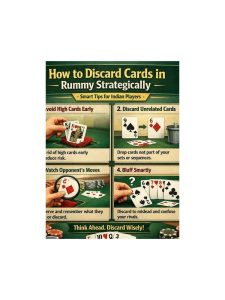
Choose situations that deserve the cue: discarding a high card, taking an unusual card from the discard pile, breaking a partial group, or playing after an emotional result. When one of these situations appears, say “check” silently or place your attention on the hand for one breath. The cue creates a small gap between impulse and action.
During the pause, answer three questions. What job does the card currently have? What is the best alternative discard or draw? What new information does this choice give me? If the answer is clear, act. If it is unclear, choose the option that keeps the hand simpler and limits penalty exposure.
The cue should not become superstition. It does not signal that a particular move is bad, and it cannot make an uncertain draw predictable. It is simply a reminder to apply the same review when pressure makes shortcuts tempting. In a timed game, one breath is usually enough.
Practice the cue in free or low-pressure games. Notice whether you pause too often, too late, or only after a mistake. Adjust the trigger until it appears at meaningful decision points without interrupting normal play.
A pause is valuable because attention is a resource. By reserving a tiny amount for high-cost turns, you reduce avoidable errors without slowing every decision. The habit can also help outside the table: a clear cue is often more reliable than a vague intention to “be careful.”
If the cue reveals that you are too tired or upset to evaluate the hand, the correct action may be to leave the session. That is not a strategic failure. Protecting attention and your play boundary is part of responsible practice, and no single turn deserves the cost of continuing in a poor state.
The cue can also protect against overanalysis. Once the three questions are answered, make the decision and move on. The aim is a calm check, not a demand for perfect certainty before every ordinary discard.