Rummy Guide: Separate Hand Shape From Hand Value
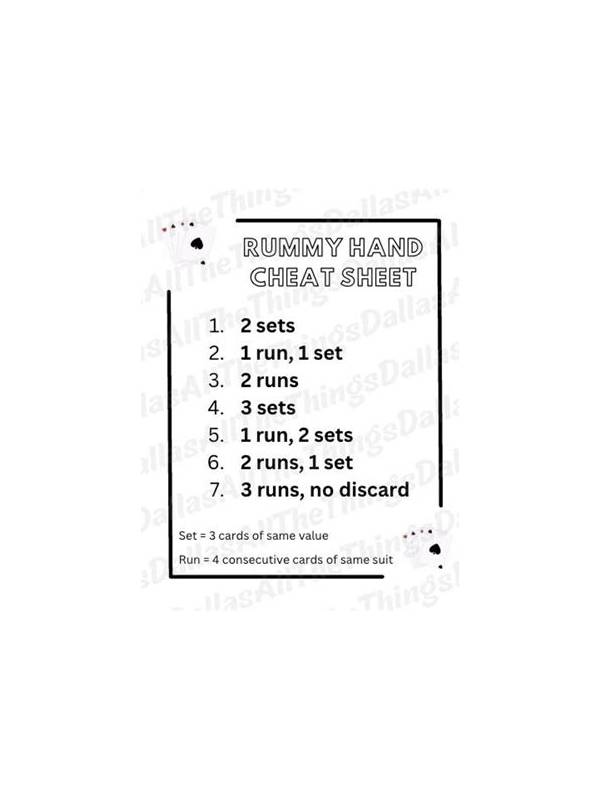
Hand shape describes how cards relate to one another: completed groups, pairs, runs, gaps, and isolated pieces. Hand value describes what those cards contribute, including flexibility, completion potential, and penalty exposure. Keeping the two ideas separate improves evaluation.
A hand can have attractive shape but poor value. Several near sequences may look organized, yet each may require an exact card and leave high cards unresolved. Another hand can look messy but contain low cards that connect in several directions. Its shape is less tidy, but its potential cost may be lower.
Start by sketching the shape without judging it. Mark the groups and gaps. Then assess value: which pieces have multiple homes, which have one narrow route, and which carry a high penalty if they remain. This two-pass method prevents first impressions from doing all the work.
After a draw, ask which dimension changed. A card may improve the shape by joining a pair, but it may reduce value if it forces you to retain an expensive isolated card. Another card may not complete anything immediately but improve value by giving you a safer discard and a broader route.
Use the distinction when comparing two discards. If one card makes the layout look cleaner but removes your only flexible connector, its visual benefit may be misleading. If another card makes the hand look less elegant while lowering penalty and preserving choices, it may be stronger.
This language is also useful in post-game review. Instead of saying that the hand “looked good,” describe its shape and value separately. You will learn whether you tend to overvalue neat patterns, underweight penalty exposure, or abandon useful low-cost flexibility too early. A clear description produces a clearer next decision.
Try giving the hand two short labels, such as “organized but narrow” or “messy but inexpensive.” The labels are not a score; they are a reminder that appearance and usefulness can diverge. With practice, this vocabulary makes it easier to explain why a visually tidy discard may still be the wrong one.
Do not turn the labels into a rigid ranking. A narrow route can be correct when the hand is late and the target is realistic; an inexpensive messy hand may still need direction early. Shape and value are tools for comparison, not automatic instructions.