Rummy Tips: Keep Your Hand Easy to Recheck

A hand that is difficult to read creates avoidable mistakes. Cards may be counted twice, a needed suit may be overlooked, or an old plan may remain in place after the evidence has changed. A consistent layout cannot improve the deal, but it can improve the quality of every decision made from it.
Choose one sorting order and use it every round. You might arrange cards by suit and rank, or place likely groups together while keeping loose cards in a separate area. Either approach works if it is stable. Changing between a suit order and a group order whenever the hand feels difficult can add confusion at exactly the wrong moment.
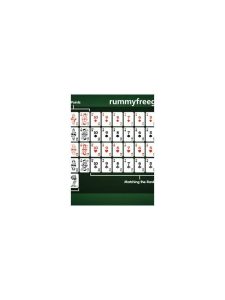
Use visible boundaries for proposed groups. On a physical table, leave a small gap between a sequence, a set, and uncommitted cards. In a digital interface, use the available grouping or sorting controls consistently. Do not treat a proposed group as final merely because it looks tidy. Label it mentally as confirmed, promising, or speculative until the rules and cards support it.
Keep the loose area honest. A pair that needs two different cards may look like a finished unit when it is placed beside a confirmed sequence. Put it with uncommitted cards until its role is clear. This simple separation prevents attractive patterns from receiving more attention than they deserve.
After each draw, perform a quick recheck from left to right. First identify the new card. Then inspect groups that it could improve, followed by the weakest existing plan. Finally look at the discard candidate. This order keeps the new information from being ignored while also stopping it from dominating the whole hand.
Avoid excessive rearranging. Constantly moving cards can feel productive but may erase your memory of how the hand developed. Move a card when its role changes, not merely because another layout looks prettier. If you must reorganize, pause and name the groups before moving anything. That small pause reduces accidental double use.
An easy-to-recheck hand is especially useful near a declaration. Before acting, inspect every card as belonging to exactly one group or to the loose area. If a card has no clear home, stop and resolve it. Good organization is not a secret tactic; it is a practical error-control habit that helps your decisions remain calm and transparent. On a small screen, close unrelated notifications and use the largest comfortable card view. If an interruption occurs, return to the same layout and perform the recheck instead of trusting a hurried memory.