Rummy FAQ: What Should You Record After a Round?
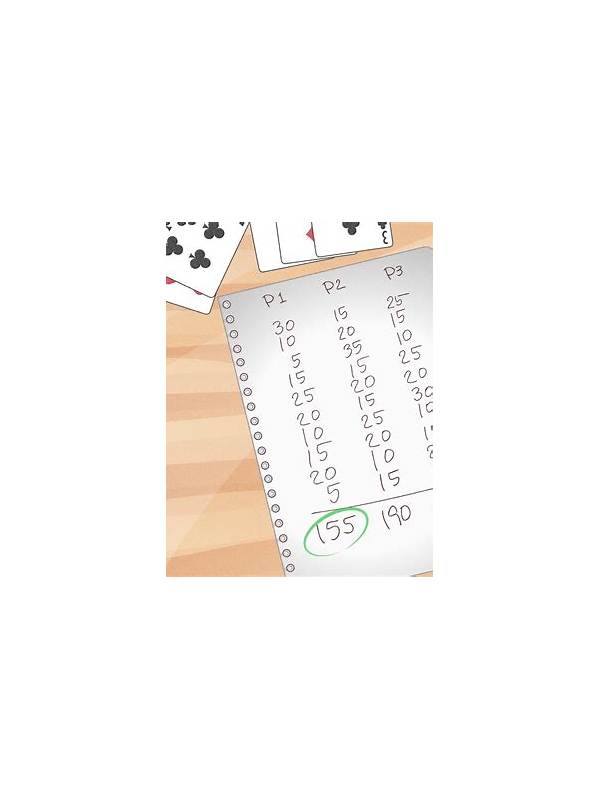
Many players remember the result of a rummy round but forget the decisions that produced it. A useful note does not need to be long. It should preserve enough detail to reveal a repeatable habit, a missed rule, or a moment when the plan stopped matching the evidence.
Begin with the format and the objective. Record whether the round was points, pool, deals, or another format, along with the scoring condition that mattered. The same discard can be sensible in one format and poor in another. Without this context, later review may turn a situational choice into a misleading general rule.
Next write the first strong plan you noticed. It might have been a likely sequence, a pair with two possible extensions, or a decision to reduce high-value cards. Note when the plan appeared and what evidence supported it. Avoid writing “I had a good hand” because that phrase does not explain the actual route you saw.
Record one turning point. A turning point can be a useful draw, a discarded connection, an opponent action that changed the available information, or a rule check that exposed a weak arrangement. Describe the decision and the alternative you considered. This is more valuable than listing every card in order, especially when time for review is limited.
Add one uncertainty. Perhaps you were unsure whether a card was safe to release, whether a flexible card had enough value, or whether the hand satisfied a declaration rule. Naming uncertainty helps distinguish a knowledge gap from normal variance. If the issue is a rule, verify it from the applicable official rules before treating it as strategy.
Finish with one action for the next session. Make it observable: “check the weakest group before taking from the open pile” is better than “play smarter.” Keep the action narrow enough to remember, and review whether you followed it regardless of whether the round was won.
Do not use notes to justify every result after the fact. A disciplined record can say that a decision was reasonable with the information available and still produced an unfavorable outcome. That distinction protects your review from hindsight bias. Over several rounds, the purpose of recording is to improve the process, not to create a flattering story about every hand. Keep notes private and exclude passwords, payment details, and other people’s personal information. A useful note can be anonymous and still preserve the important decision. Review it later when emotions have settled, and look for patterns across several rounds rather than judging the hand in isolation.