Rummy Strategy: Read the Timing of an Opponent’s Discard
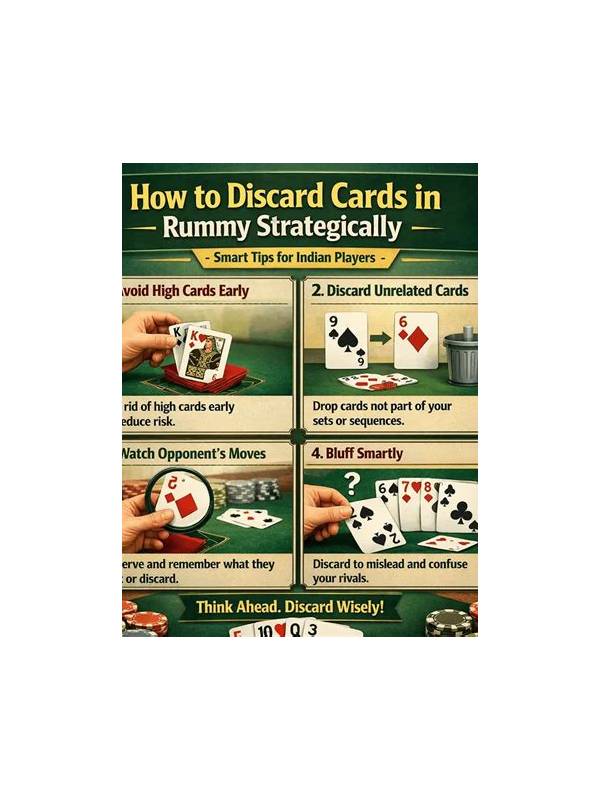
In an online rummy hand, the card an opponent discards is only one piece of information. The moment and context of that discard can also help you form a careful working hypothesis. This is not mind reading, and it should never replace the rules of the game. It is simply a way to use observations more deliberately.
Start by noticing whether the discard comes quickly or after a long pause. A fast discard may mean the player already had a clear plan, while a slower action may indicate comparison between several options. Neither interpretation is guaranteed. A connection can lag, a player can be distracted, and an easy interface action can look thoughtful. Treat timing as a soft clue, not evidence.
Next compare the discard with the visible shape of the hand. If a player repeatedly releases cards from one suit, they may be abandoning that route. If they alternate between suits, they may be protecting flexibility or simply responding to new draws. Record the pattern only after several turns. A single card has too many possible explanations to support a strong conclusion.
The most useful question is practical: how should this observation affect your own discard? If a card you hold would complete an obvious run for the opponent, keep it only when it has a strong role in your plan. Do not cling to every potentially useful card forever. Instead, rank your cards by personal value first, then use opponent information as a tie-breaker.
Timing can also help you review your play later. Write down the turn, the discarded card, and your interpretation. After the hand ends, check whether the interpretation was supported. This builds calibration: you learn when your observations are reliable and when you are filling gaps with a story. Good rummy decisions remain based on combinations, risk, and clear rules. Timing is a small supplement that becomes valuable when used modestly.
Avoid using timing to label a person. The same player may act quickly with a familiar interface and slowly when their connection is poor. Look for a repeatable sequence of choices instead: a pause followed by a high card, a rapid release after drawing from the open pile, or a change in suit preferences. Even then, leave room for alternative explanations. Your own hand remains the primary source of action, and the opponent’s timing only adjusts how carefully you compare otherwise similar choices. This modest approach keeps the observation useful without making the table feel personal.