Rummy Strategy: Protect a Pure Sequence Without Freezing
In formats that require a pure sequence, that structure deserves special attention. However, protecting it does not mean refusing every change. The useful distinction is between a secure pure sequence and a fragile idea that only appears complete because the cards are close together. Verify the group first, then decide how much protection it actually needs.
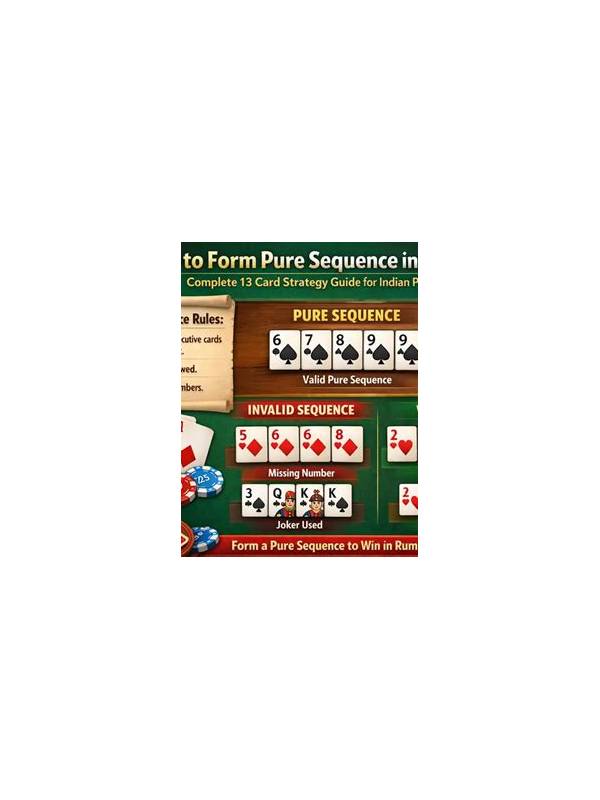
A secure pure sequence satisfies the active rule without relying on a joker and does not need a missing card. Once you have one, avoid breaking it casually. Use the remaining cards to build sets or other sequences, and treat the secure group as an anchor. Keeping an anchor reduces the number of ways the rest of the hand can go wrong.
Before calling a group secure, check suit and order carefully. Three cards with consecutive numbers are not a pure sequence if one belongs to another suit. A joker placed beside them may make an impure sequence, but it does not transform the group into a pure one. Rules differ, so read the current format rather than relying on memory from another table.
A fragile sequence idea should be evaluated like any other route. If it needs two exact cards and the hand is late, retaining it may prevent necessary point reduction. Set a deadline for the idea. If the required improvement does not appear, release the weakest part while preserving any genuinely secure structure.
Once the pure sequence is safe, keep the rest flexible enough to respond to new cards. Do not spend several turns protecting a pair merely because it was part of the original plan. Protect the requirement, not the story you told yourself about the hand. This balance gives you a stable foundation without turning one rule into inflexible play. Ask whether breaking a group improves the hand in a way you can name immediately. If the answer is only “it might create more options,” keep the secure sequence and explore alternatives among loose cards first. During review, mark when the anchor was confirmed. This separates a sound defensive choice from a moment when you were simply afraid to change an arrangement that had never met the requirement. Once the requirement is protected, let the rest of the hand breathe. New information should be allowed to change optional groups. Stability belongs to the rule you must satisfy; flexibility belongs to the cards that remain. This approach keeps the mandatory structure visible while allowing ordinary strategy to remain adaptable. It is a practical middle ground between careless breaking and fearful overprotection.