Rummy Safety: Recognize Decision Fatigue Before Playing
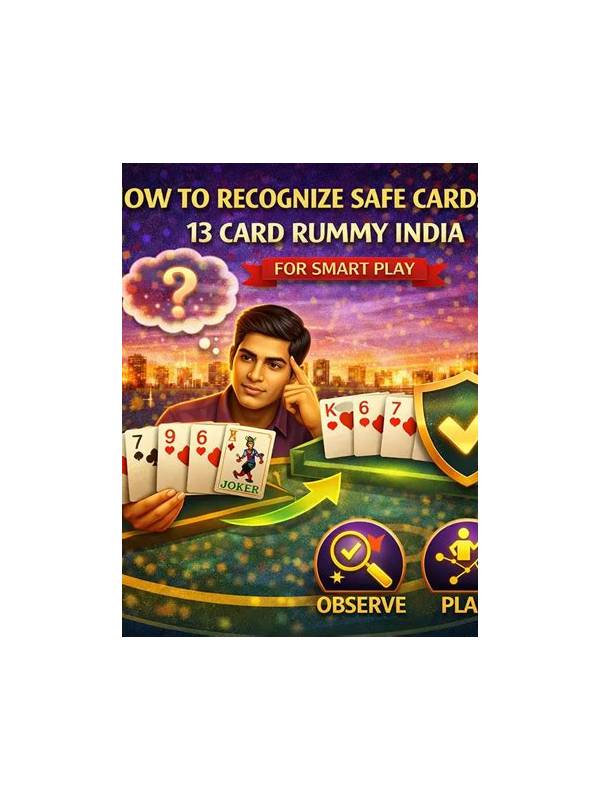
Rummy asks you to make repeated small decisions: draw, compare, sort, discard, and reassess. When you are tired, hungry, upset, or distracted, those decisions can become rushed. Decision fatigue is not a sign that you need a more aggressive strategy. It is a reason to reduce demands and consider stopping.
Notice early signals. You may reread the same rule, click before checking your groups, feel unusually irritated by ordinary draws, or switch plans without explaining why. You may also start thinking about a previous loss instead of the current hand. One sign does not diagnose anything, but several together deserve attention.
Use a pre-session check with three questions: Have I slept and eaten normally? Can I give the hand my full attention? Would I be comfortable stopping after one session? If the answer to any question is no, choose practice, postpone play, or take a break. A short delay is usually cheaper than trying to force good decisions while depleted.
If fatigue appears during a session, pause at a natural stopping point. Close the table, record the result if needed, and step away from the screen. Do not use a quick extra hand as a test of whether you are still focused. Fatigue often makes the next decision feel urgent, which is precisely when a deliberate break is helpful.
Make the environment easier on your future self. Set a fixed session length, silence unnecessary notifications, keep water nearby, and avoid playing while doing another demanding task. Use account limits or device reminders if they help you stop. These measures reduce the number of decisions required when your attention is already low.
Review the pattern without self-criticism. If tired sessions repeatedly lead to spending more, playing longer, or feeling distressed, suspend paid play and seek support from someone you trust or a relevant local service. The safest strategy is the one that protects your wellbeing before any game result. Clear attention is optional for entertainment, and taking a break is always a valid decision. Do not try to compensate for fatigue with a faster pace or a larger deposit. Both responses remove safeguards at the moment they are most needed. If you have already exceeded a time or spending limit, end the session and record only the facts necessary for your own review. Restoring a routine later is easier when the stopping decision is clear and final. Protecting attention is part of responsible play, just as important as protecting a spending limit.