Rummy Strategy: Test a Single-Card Bridge
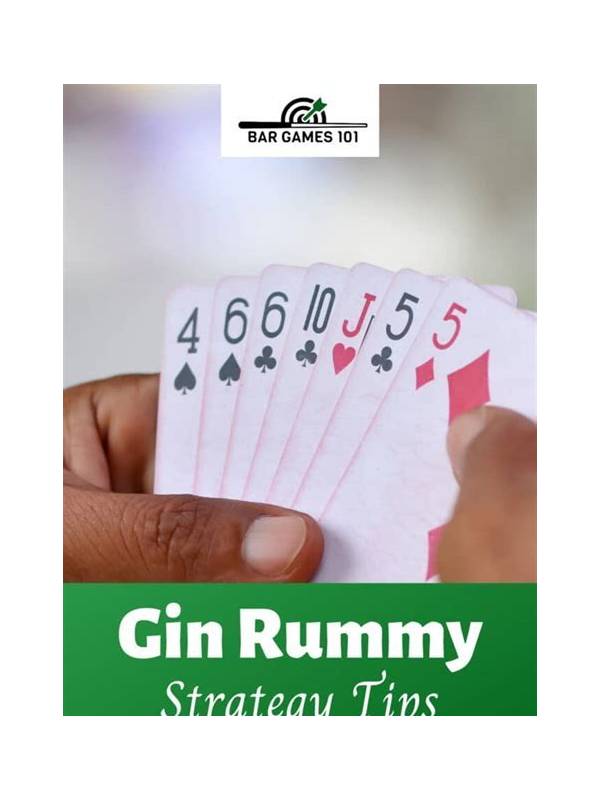
A flexible hand can create too many choices. Several pairs and near-runs may look useful, but keeping all of them prevents you from making progress. A pivot card gives the hand a center: you preserve it while deciding which surrounding plan deserves the next draw.
Choose a pivot by looking for a card that belongs to at least two realistic structures. It might connect to a sequence in its suit and also support a rank-based group, depending on the rules. The pivot should not be a fantasy card that only works if several unlikely draws arrive. Its value comes from having more than one practical route.
Once selected, build a small decision around it. Keep one neighboring card that supports the strongest route and identify the card most likely to leave if the next draw does not help. This creates a controlled experiment rather than an endless collection of pairs. After each turn, ask whether the pivot gained or lost value.
Do not protect the pivot at all costs. If it becomes isolated, high-risk, or incompatible with the required legal structure, abandon it. A pivot is a temporary planning tool, not a lucky charm. The best pivot may change as the discard pile reveals information.
Use a deadline. For example, allow two meaningful draws before reassessing the plan. If neither draw improves the surrounding cards, switch to point reduction or a more reliable group. This prevents a flexible hand from becoming a stubborn hand.
The pivot method works because it limits attention. You are not trying to calculate every possible future; you are preserving one useful intersection while removing weaker alternatives. It is especially helpful for beginners who understand individual combinations but struggle to choose a direction.
A bridge should earn its place with evidence. If it connects two cards, check whether both sides can become legal groups or whether one side is only a visual resemblance. Consider the waiting cost too. A bridge that accepts several ranks may be strong, while one requiring a particular suit and rank may be too narrow. Test it after the next draw, then commit to the improved structure or release it before it becomes an excuse to keep unrelated cards.
The bridge is most useful when it simplifies a choice. If retaining it forces you to keep three other speculative cards, its flexibility may be an illusion. Compare the complete hand after each option, and prefer the route that leaves fewer unresolved obligations. This makes the bridge a tool for narrowing decisions rather than a reason to postpone them.