Rummy Guide: Turn Uncertain Cards Into Clear Questions
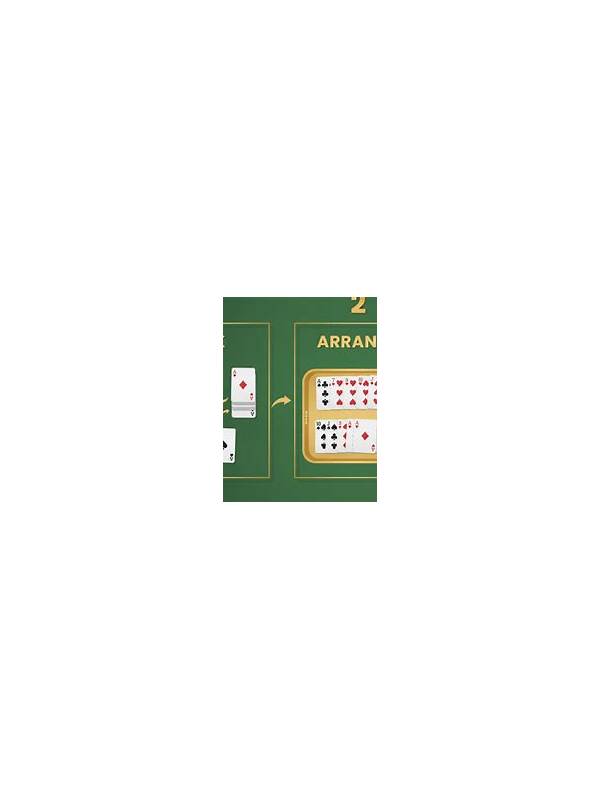
Uncertain cards are common in rummy. A card may fit two possible sequences, complete a promising set, or look attractive only because it is high value. Instead of guessing whether to keep it, turn the uncertainty into a short question. This creates a repeatable way to decide without relying on excitement or habit.
Start with the question, “What exact group could this card join?” Name the group rather than describing it vaguely. For example, a seven of hearts might join a six-seven-eight sequence, a five-six-seven sequence, or a set of sevens. If you cannot name at least one realistic group, the card is probably a weak hold. A hypothetical group that requires several unlikely draws should not receive the same confidence as a group needing one natural connection.
Next ask, “How many cards would improve this idea?” A single missing card gives a narrow route. Several possible cards give flexibility, but flexibility is valuable only when those cards are realistically available. Notice whether the open pile or visible discards have already removed some of the helpful options. This question prevents a broad-looking plan from hiding a poor draw rate.
Then ask, “What does keeping this card prevent me from doing?” Every hold has an opportunity cost. It may block a clean discard, preserve a high-point card, or keep you from organizing two stronger groups. Write the answer in plain language: “Keeping this pair delays my pure sequence,” for instance. Once the cost is visible, comparison becomes easier.
Finally ask, “What evidence would change my mind?” Set a deadline of one or two draws, depending on the format and hand stage. If the needed connection does not appear, release the card unless new information makes the plan materially stronger. A deadline stops an attractive possibility from becoming a permanent commitment.
This method does not guarantee the best outcome, because unknown cards and opponents still matter. It does make the reasoning auditable. After a round, you can review which question you answered poorly: the group, the draw route, the opportunity cost, or the deadline. That kind of review improves judgment more reliably than remembering only whether the hand won. A card can be possible without being promising: possible means a legal route exists, while promising means the route justifies its cost. Keeping those ideas separate makes later notes more precise and prevents a hopeful possibility from silently becoming a commitment. When in doubt, write the missing card and the discard cost before deciding.