Rummy Safety: Keep an Entertainment Ledger
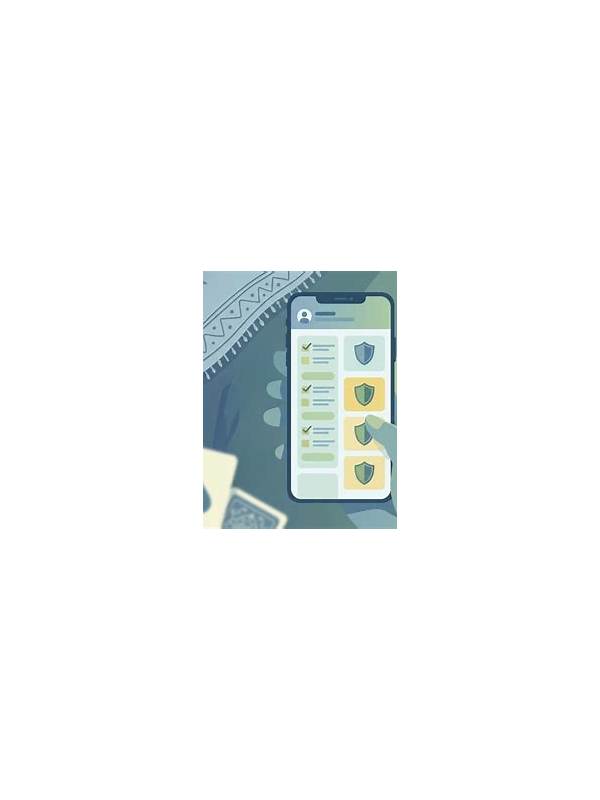
An entertainment ledger is a simple record of how you use a rummy service. It is not a strategy tracker and it is not a way to justify chasing a loss. Its purpose is awareness: recording session dates, approximate duration, and any entertainment spending in a format you can review calmly.
Keep the record separate from promotional messages and in-game prompts. A plain note or spreadsheet is enough. Use one row per session and write the information shortly after you finish. Include a planned stop time and the actual stop time when that is easy to remember. If money is involved, record deposits or entry costs as amounts, not as wins you hope to recover. Never include passwords, payment card numbers, or other sensitive credentials in the ledger.
Review the record on a fixed schedule, such as once a week. Look for patterns rather than isolated results. Are sessions becoming longer? Are you starting later than planned? Are you adding money after deciding to stop? Do you feel pressure to play when tired, upset, or distracted? A pattern does not mean you have failed, but it is useful evidence that your boundaries may need adjustment.
Set rules before the next session based on what you observe. Examples include a maximum session length, a fixed entertainment budget, or a rule that no additional funds are added during play. Make the rule specific enough that you can recognize a breach immediately. If the platform provides account limits, cooling-off controls, or self-exclusion tools, review those options and use the ones that fit your needs.
Protect the ledger itself. Store it where other people cannot casually read it, especially on a shared device. Backups should be private and should not contain account credentials. If keeping detailed records makes you anxious, simplify the format to a weekly total and a yes-or-no boundary check. The record is useful only if you can maintain it without stress.
A ledger cannot solve every problem, and it should not be used to calculate a target for winning back losses. If play is affecting finances, sleep, work, or relationships, pause and seek support from a trusted person or a local professional service. The safest record is the one that helps you make a clear decision earlier. Treat the ledger as a visibility tool, not a permission slip to continue.
You can add a short mood check if it helps: calm, distracted, frustrated, or tired. Keep it descriptive rather than judgmental. The combination of duration, spending, and mood often explains why a boundary was difficult to keep. That information can support an earlier pause or a conversation with someone you trust.