Rummy Guide: Choose a Review Metric That You Can Repeat

Practice improves faster when you can compare sessions, but a metric is useful only if you can record it consistently. Instead of tracking everything, choose one measure connected to a decision you want to improve. Examples include the number of unsupported high cards after the fifth turn, the number of times you changed a plan without a new card, or how often your final groups included the required pure sequence.
Define the metric before playing. “Better decisions” is too broad. “Count isolated cards after each third turn” is specific enough to repeat. Write down the conditions as well: the game format, number of players, and whether you were practicing or playing a competitive table. Context helps you avoid comparing unlike situations.
Do not turn the metric into a target that distorts play. If you count isolated cards, you should not release a useful card merely to make the number look good. The metric is an observation tool, not a score to manipulate. Continue following the rules and making the best decision you can with the information available.
Review a small sample rather than a single result. Three to five hands can show whether a pattern is stable, while one hand is usually too noisy. Look for direction and exceptions. If the number improves but your legal finishes do not, your metric may be measuring appearance rather than quality. Adjust the definition instead of forcing the conclusion.
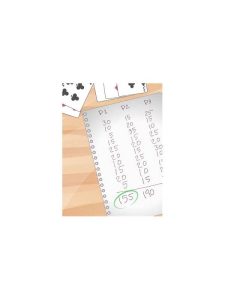
After a short cycle, replace the metric or keep it as a baseline. A good review measure creates a focused question, takes little time, and changes how you notice decisions at the table. It should make learning clearer, not make play feel like paperwork. Consistency matters more than complexity.
Useful metrics include the number of turns before you identify a legal route, the number of cards left outside groups at the end of a review, or how often your explanation names a concrete reason. Do not compare a short practice hand with a long multiplayer hand without noting the difference. The metric should help you ask what changed rather than whether you are good. A calm record of small changes is more informative than a dramatic judgment after one unusual result.
If a metric begins to make you tense, simplify it. Learning should make attention more precise, not turn every hand into an examination. You can always return to a detailed review later when a repeated pattern deserves closer study.