Rummy Safety: Keep Spending and Practice Budgets Separate
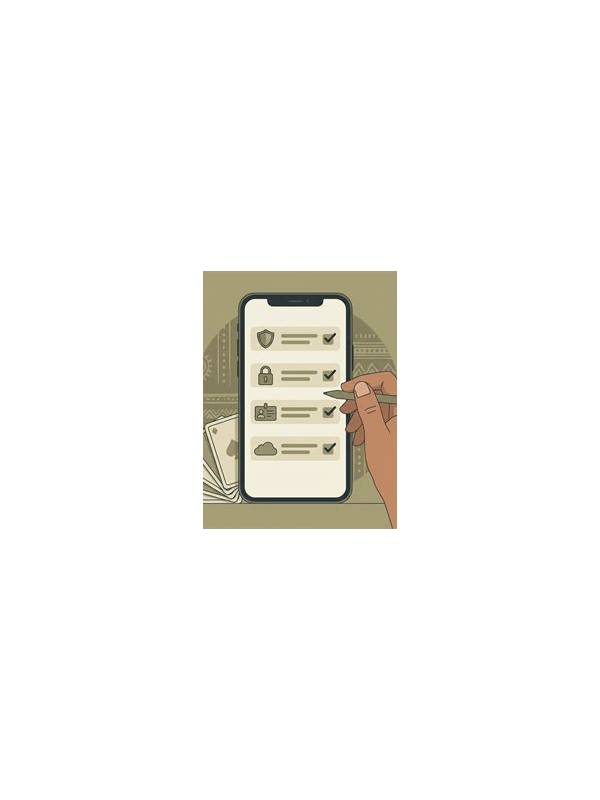
A practice budget and a spending budget serve different purposes. Practice is about learning rules and making decisions; spending introduces financial risk and should be governed by a limit that does not depend on a recent result. Keeping the two ideas separate helps prevent a learning session from quietly turning into an attempt to recover losses.
Set the boundary before opening a table. Decide how much money, if any, you can afford to lose during a defined period. The amount should come from discretionary funds, never rent, bills, borrowed money, or emergency savings. If the platform provides deposit or loss controls, review them before you start and use the strongest setting that fits your plan.
Define practice separately by time and purpose. A practice session might last thirty minutes and focus on identifying legal sequences, while a paid session might have a smaller time limit and a fixed cost. Do not increase the paid limit because practice felt frustrating or because a bonus appears attractive. A promotion is not a reason to change an affordability decision.
Keep a neutral record of deposits, withdrawals, and session duration. Avoid recording payment credentials in a game note. If the numbers begin to surprise you, pause and review them away from the table. Signs such as chasing a loss, hiding play, borrowing to continue, or feeling unable to stop are reasons to stop and seek support from a trusted person or local service.
The aim is not to predict results. It is to make the cost of participation visible before emotion enters the decision. Free practice can build familiarity, but it cannot guarantee paid success. Treat financial limits as a safety feature, not as a challenge to overcome.
Separate a session’s emotional result from its financial result. Feeling excited after a win can encourage longer play just as feeling frustrated after a loss can encourage chasing. Neither feeling should rewrite the limit you set earlier. Use a timer or platform control where available, and stop when the boundary is reached even if the next hand looks unusually favorable. If you cannot follow the boundary repeatedly, take a longer break and consider removing access to paid play.
Free or low-cost practice can still have a time budget. A long session can create fatigue and encourage careless decisions even without financial risk. Treat attention as a limited resource, stop at the planned time, and return later with a clear head.