Rummy Tutorial: Explain a Discard With One Example
Teaching a discard is easier when the explanation follows a real decision. Instead of listing every rummy principle, choose one sample hand and show how the player compares two candidates. The learner can then see that a discard is not simply the card with the highest number or the card that looks least attractive.
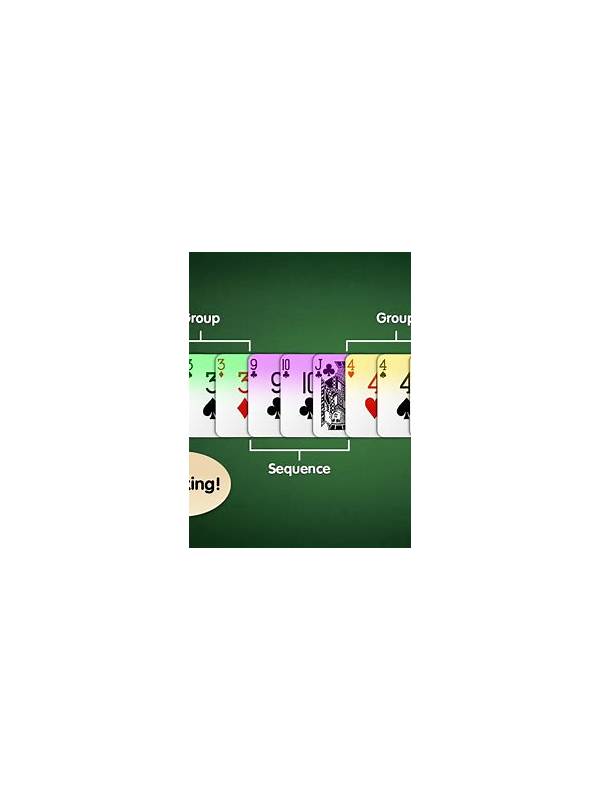
Begin with a small hand diagram or a written list. Mark one nearly complete sequence, one possible set, and two unconnected cards. Avoid using an example that depends on a special rule unless you explain that rule first. Ask the learner which card they would release and let them answer before you offer a reason.
Next, describe the first candidate. If it is an isolated high card, explain its point risk and the limited ways it can improve. Then check whether it has a hidden role, such as connecting two cards or supporting a set. The purpose is to model a complete check, not to lead the learner toward a predetermined answer.
Compare the second candidate. Perhaps it is a low card that joins a pair but requires one exact rank to become useful. Show the difference between current connection and future flexibility. A pair can be worth keeping, but if it blocks a pure sequence route or competes with stronger cards, its value may be lower than it appears.
Now reveal a hypothetical draw and ask how each choice changes the hand. Use this moment to explain that a decision is judged with the information available at the time. If the released card would have helped later, that does not prove the original choice was wrong. Compare the routes that were visible before the draw.
Finish with a three-part summary: protect required groups, reduce costly isolation, and preserve at least one realistic improvement route. Ask the learner to restate the rule in their own words, then give them a new hand with the same type of conflict. Repetition with different cards makes the reasoning transferable. A clear example is more useful than a long lecture because it turns an abstract principle into a sequence of observable checks.
Keep the tone curious during the explanation. Ask what information would change the learner’s choice, such as a different variant requirement or one additional visible discard. This shows that good play is adaptive and rule-dependent, rather than a single answer memorized from one example.
Invite questions before showing the preferred discard.