Rummy FAQ: How Can You Review a Hand Without Blaming Luck?
Why review a rummy hand?
Reviewing a hand helps you improve repeatable decisions. It is not a court case about whether you deserved to win. Cards are dealt randomly, and an opponent may find a strong route before you do. A useful review asks whether your choices were reasonable with the information available at the time.
What should I write down first?
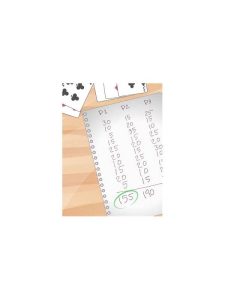
Record the opening shape in a few words: one promising sequence, a complete group, several isolated cards, or a hand with multiple competing routes. Then note the first important decision. Avoid writing a full transcript unless you are studying a specific pattern. A compact record is easier to compare across several sessions.
How do I separate luck from a decision?
Imagine what you knew before the next card arrived. If a later draw completed your plan, that does not automatically prove the earlier choice was correct. Ask whether the choice created several useful follow-ups or depended on one exact card. Conversely, a choice can be sound even when the next draw is unhelpful. Judge the process before judging the result.
Which decisions deserve the most attention?
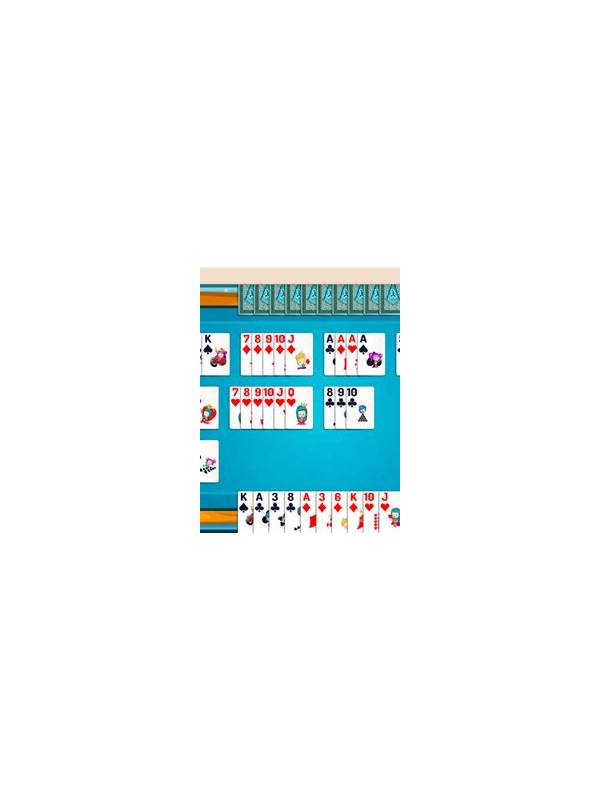
Focus on turning points: choosing between the closed deck and discard pile, breaking a promising structure, keeping a high-value card, or declaring before checking the required groups. These decisions usually teach more than a routine discard. Mark what alternative you considered and why you rejected it. That reveals whether the issue was calculation, timing, or missing information.
Should I study the opponent’s result?
Yes, but cautiously. The opponent’s final melds can show which cards were valuable, yet you did not know their hand during play. Use the result to test your assumptions, not to rewrite history. If you discarded a card that helped them, ask whether a safer alternative was visible at the time. Do not conclude that every helpful discard was avoidable.
What is a good review metric?
Choose one measurable habit for the next few sessions. You might count how often you held a card for one exact improvement, how often you checked a declaration before submitting it, or how often a discard left two workable routes. One metric prevents the review from becoming a vague list of regrets.
When should I stop reviewing?
Stop when you can state one lesson and one experiment. For example: “I kept a narrow pair too long; next time I will reassess it after one more draw.” If the review makes you angry or urges you to chase losses, take a break instead. Improvement requires a clear mind, not endless replay.