Rummy Strategy: Use a Route Map for Unfinished Cards
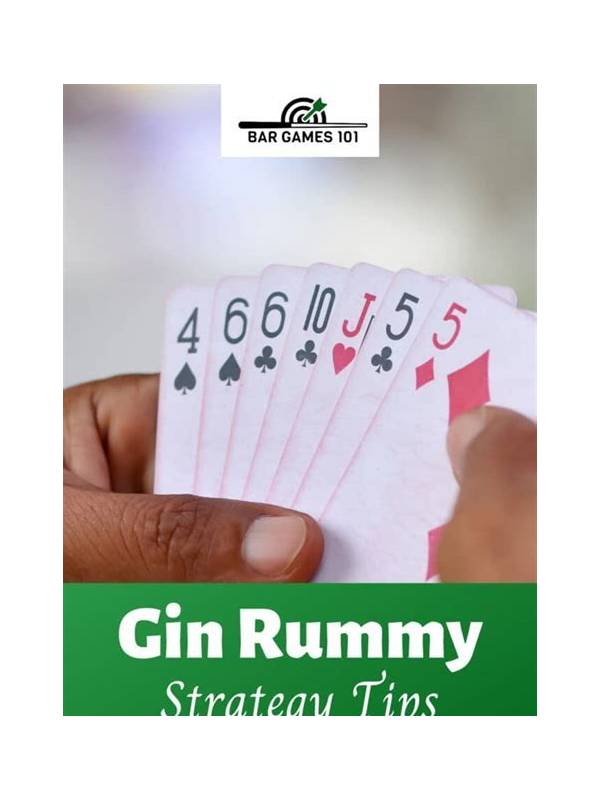
When a hand contains several ungrouped cards, it is easy to keep them all because each one appears to have some potential. A route map makes that potential visible. Instead of asking whether a card can fit somewhere, list the specific card or cards that would make the connection useful. This converts vague hope into a manageable comparison.
For each unfinished card, write one or two credible destinations. A middle card may connect to two nearby cards of the same suit. A pair may need a matching rank in another suit to become a set. A lone high card may have no practical route at all. Include only improvements that fit the active rules and could arrive in the remaining time.
Mark each route as open, narrow, or closed. Open routes have more than one useful improvement or are already close to completion. Narrow routes depend on one exact card or a small number of cards. Closed routes require too many changes or conflict with a mandatory sequence. This classification does not predict the deck; it helps you decide what deserves a turn.
Keep the map short. If every card has a long paragraph of possibilities, it is not helping you play. Choose the two or three routes that give the hand the best combination of progress and flexibility. Protect a secure group, test the strongest unfinished route, and identify the card that can be released if no improvement arrives.
The map can also improve review after the hand. Compare the route you chose with the routes you ignored. Did you overvalue a rare exact draw? Did you abandon a flexible connector too soon? Did a discarded card create an obvious route for someone else? These questions produce concrete lessons. The purpose of a route map is not to calculate perfect odds; it is to make the hand’s structure clearer before the next decision. Use simple symbols such as a check for a secure group, a dot for a one-card improvement, and a dash for a card with no credible route. If a card appears in two routes, mark the conflict so you remember that choosing one route may close the other. This is often the most important information on the page. The map should guide a discard, then disappear when the hand changes substantially. Erase or close the map when a secure group forms or the table changes substantially. An old route can become misleading. The value comes from keeping the note current, not from preserving every possibility from the opening hand.