Rummy FAQ: Can You Change a Group After Arranging It?
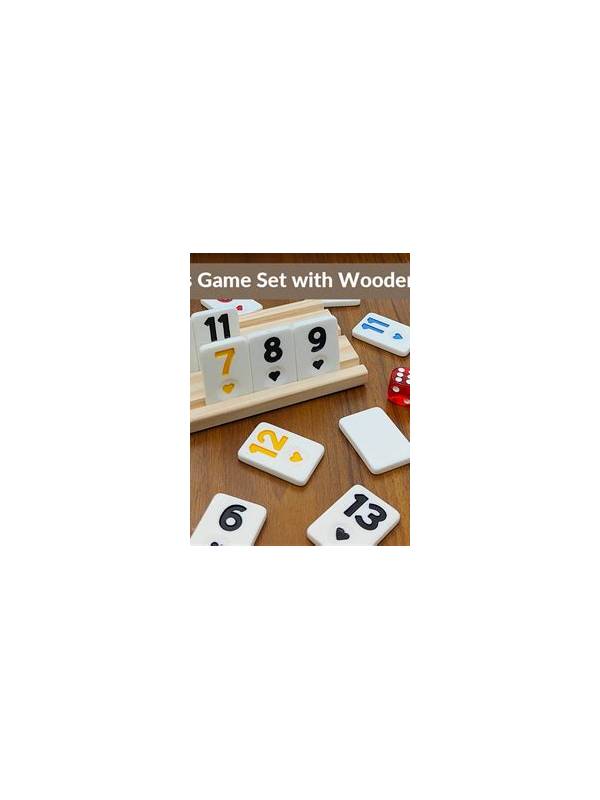
Yes, a hand can usually be reorganized before you make a declaration, but the exact interface and rule set determine how that works. Arranging cards on a screen is often a planning aid rather than a binding action. A player may move a card from a tentative set to a sequence if the new grouping is valid and every card remains accounted for.
The important distinction is between sorting and declaring. Sorting means you are testing ideas privately. Declaring is the formal submission of your hand for checking. Before declaration, treat every grouping as provisional. After declaration, the platform or table normally evaluates the hand according to its rules, and you cannot repair a mistake by rearranging cards.
When testing a new arrangement, move one card at a time. First remove it from the old group, then inspect the old group again. A set that looked complete may no longer have enough cards, or a sequence may contain a gap. Next, test the new group for suit, rank order, and joker use. Do not count a card in both groups even temporarily; double-counting is a common source of false confidence.
Some formats require a pure sequence and additional valid groups. A rearrangement that creates a beautiful set may still fail if it breaks the only pure sequence. Protect mandatory structures first, then use the remaining cards to form optional sets or impure sequences. If the application has an automatic validator, use it as a confirmation rather than a substitute for reading the rules.
If you are uncertain, pause before submitting and count the hand again. Rules about minimum group lengths, duplicate suits, and wild cards can vary. Practice rearranging with no pressure so the movements become familiar. A flexible arrangement process is helpful, but the final responsibility remains with the player to verify the complete hand under the active format. If a platform locks cards as soon as you place them, learn that behavior before playing an important hand. Some interfaces let you edit freely; others treat a submission as final. Read the help text or test with a free practice table. Clear expectations prevent confusion about whether a move was a plan or a completed action. Keep uncertain groups visibly separate until you have checked all requirements and are ready to submit. If the interface is unclear, do not guess based on a colorful layout or an animation. A practice hand is the right place to learn controls. Familiarity reduces the chance that a rushed tap becomes an irreversible declaration.