Rummy Guide: Use Opponent Information Without Overreading It
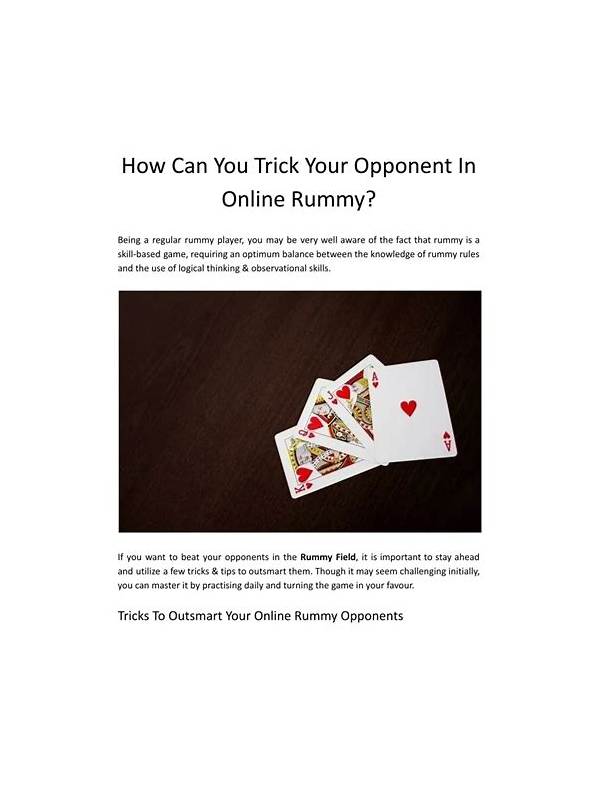
A picked discard or an avoided card can provide information about another player’s likely interests. The information is useful when it changes your ranking of options, but dangerous when it becomes a confident story unsupported by evidence. Good observation keeps several explanations alive.
Record the action accurately first. Note the card taken, the timing, and whether it came from the open discard pile or the hidden draw. Do not immediately label it as part of a specific sequence. A player might take a card for a set, a blocker, a flexible bridge, or a plan you have not considered. Separate what you saw from what you infer.
Next ask whether the action affects your own choices. If you were considering discarding a card that could connect to the observed card, you may lower its priority as a safety measure. Do not abandon your best route automatically. A player’s pickup is not proof that every related card is dangerous, and overreacting can make your own hand worse.
Look for repeated evidence. Several connected pickups, consistent refusals, or a clear change in discard behavior may support a stronger inference than one isolated action. Even then, treat the conclusion as a probability. Players can change plans, misread their own hand, or collect cards for reasons you cannot see.
Use a confidence scale in your notes: possible, plausible, or strong. “Possible” should barely affect your decision. “Plausible” may break a tie between equally useful discards. “Strong” can justify avoiding a card if your alternative is nearly as good. This scale prevents a single interesting move from dominating the whole hand.
After the round, compare your inference with the revealed result if available. Were you right for the right reason, or did the outcome happen to match a weak guess? Review the process, not just the prediction. Opponent information is a supplement to hand evaluation. It is most valuable when it helps you choose between good options, not when it tempts you to invent certainty. Avoid spending so much attention on opponents that your own count becomes uncertain. A useful observation should change a specific decision, such as choosing between two equally safe discards. If it changes nothing, let it go and return to your hand. This balance keeps information gathering from becoming distraction and makes your conclusions easier to test afterward. This keeps observation proportional to its practical value and leaves attention for your own legal finish.