Rummy FAQ: How Often Should You Recount Your Hand?
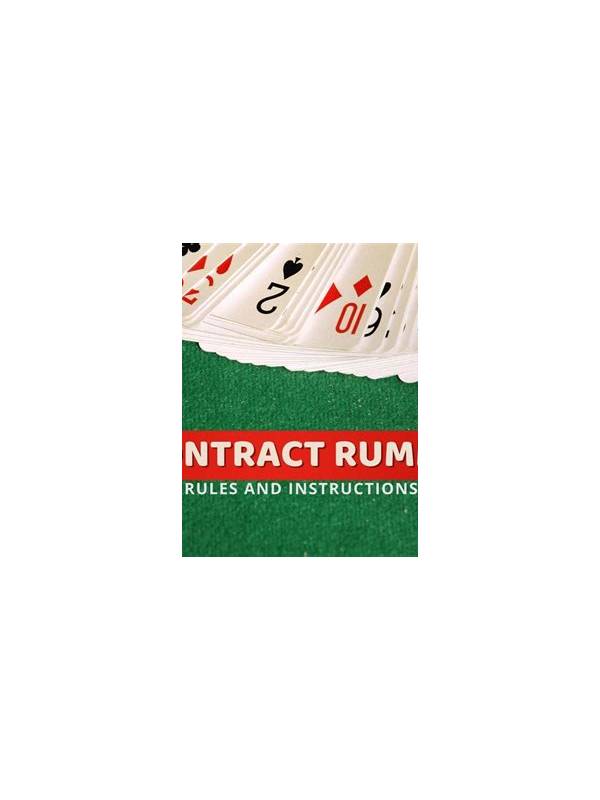
Recounting a rummy hand means checking the number of cards, groups, and unresolved requirements rather than relying on memory. It is useful, but doing it after every small action can slow you down and increase confusion. The best moments are turning points when the structure of the hand has changed.
Do an initial count after the deal. Confirm the hand size, sort the cards, and identify the format’s required groups. Count again after a major rearrangement, such as splitting a sequence, using a joker, or converting a pair into a set. These are moments when a card can be mentally assigned twice or accidentally left without a job.
Recount after a draw that creates a possible declaration. Before you become excited about the improvement, verify that the total card count and the proposed groups are correct. Check that every card appears once, every group follows the table rules, and the required natural or pure structure is present. This check is faster than discovering a mistake after confirming an action.
Another useful moment is the final phase. When only one or two cards remain unresolved, count at the start of each turn. The purpose is not to calculate a perfect outcome; it is to prevent an obvious illegal discard or a missed completion. If the platform displays the count clearly, still verify it against your own arrangement when the hand is complicated.
Recount after a distraction as well. A notification, conversation, or connection interruption can break your working memory. Take a breath, review the last known action, and then count before continuing. If you are unsure whether an action completed, use the platform’s visible history or support procedure rather than guessing.
Make recounting a trigger-based habit: after the deal, after structural changes, after a promising draw, during the final phase, and after interruptions. This keeps the practice focused and unobtrusive. Accuracy comes from checking at the moments when errors are most likely, not from repeating the same count without purpose. If your count does not match the interface, stop and resolve the difference before acting. Check the last draw, discard, and any rearrangement, then confirm whether the platform has already registered a move. Repeatedly clicking while uncertain can create a second error. A careful recount is most valuable when it restores a shared picture between your notes, your hand, and the table state. Once the state is clear, resume with one deliberate action and continue normally.