Safe Bankroll Notes for Casual Rummy Practice
Casual rummy practice is easier to evaluate when money decisions are separated from game decisions. A small written limit gives you a boundary before excitement, frustration, or a losing streak changes your judgment. The goal is not to predict results; it is to make participation deliberate and affordable.
Start by deciding what amount you can lose without affecting essentials. Do not use rent, bills, borrowed money, emergency savings, or money reserved for someone else. If real-money play is restricted by age or location, do not participate. Free practice, replay review, and offline exercises can provide useful experience without a financial stake.
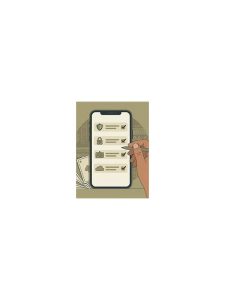
Record three numbers before a session: the planned limit, the maximum time, and the point at which you will stop for the day. Keep the numbers visible. A limit is most useful before you sit down, because changing it after a loss turns a boundary into a wish. Include deposits, entry fees, and any other direct cost in the same total rather than tracking them separately.
Use a simple session note. Write the date, format, starting amount, ending amount, time played, and whether you followed the limit. Avoid judging yourself from one result. A win may contain poor decisions, and a loss may come from normal variance. The record is for spotting behavior such as longer sessions after losses, frequent limit changes, or playing when tired.
Set a cooling-off rule after a difficult session. For example, stop for the rest of the day after reaching the planned limit and wait before deciding whether to play again. Do not borrow, chase losses, or increase stakes to recover a previous result. If the urge to continue feels difficult to control, take a longer break and use device limits or a trusted person for accountability.
Keep stakes consistent while you are learning. Moving between formats with very different entry levels makes your notes hard to interpret and can make a single result feel more important than it is. If you change format, write down why and reset your expectations. Practice tables and free games are useful for testing a strategy without confusing entertainment spending with improvement.
Your notes should also include non-money signals: sleep, mood, interruptions, and concentration. A session played while angry or distracted may not tell you much about skill. If several notes show that the game is affecting work, relationships, or essential spending, pause completely and seek support from a qualified local service. Responsible play is demonstrated by stopping when the activity no longer fits your plan.
The best bankroll routine is short enough to follow every time. Set the limit, set the timer, record the outcome, and stop as promised. Clear records cannot eliminate chance, but they can make your choices more transparent and protect casual practice from becoming an unplanned expense.