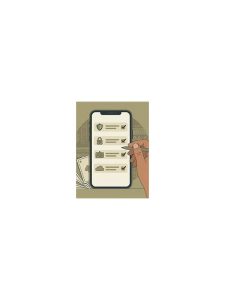
Rummy Safety: Verify a Withdrawal Receipt Before Closing
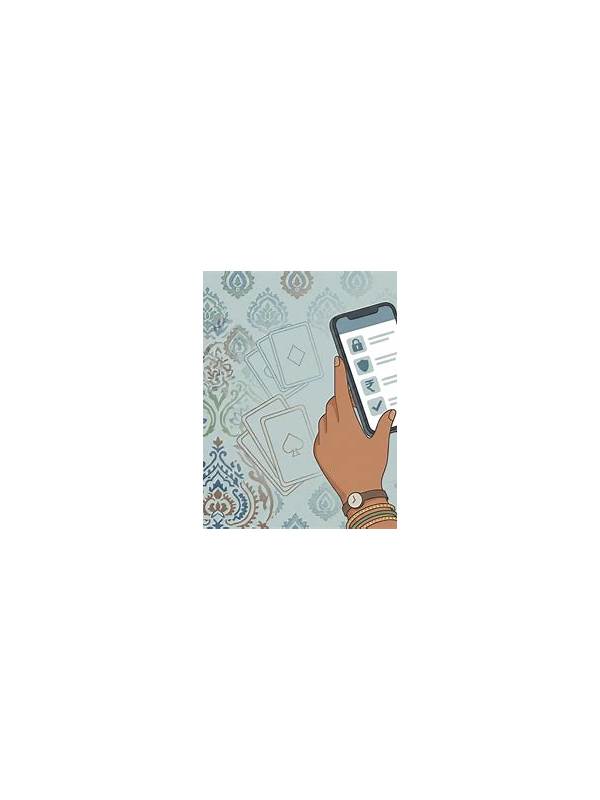
After requesting a withdrawal or other account transaction, take a moment to verify the record before closing the app. This is a safety and organization habit, not a reason to make another deposit or continue playing. Check that the amount, destination, date, and displayed status match what you intended. Save only the reference details that are appropriate for your own records.
First, review the transaction inside the official account area rather than relying on a chat message or a screenshot sent by someone else. Confirm the status wording. “Requested,” “processing,” and “completed” describe different stages, and a pending request should not be treated as finished. If the platform provides a transaction reference, record it without sharing it publicly.
Next, check for unusual instructions. Be cautious if a message asks you to pay an unexpected fee through a personal account, reveal a password, share a one-time code, or install a remote-access tool. Use the support channel listed in the platform’s own help area and verify that the address is correct. Do not let urgency in a message replace independent confirmation.
Keep transaction checks separate from game decisions. Once you have confirmed the record, close the account area and take the planned break. Do not chase a loss, play extra rounds to “cover” a fee, or treat a promotion as a reason to raise your limit. If the status remains unclear, pause and contact official support with the reference and relevant dates.
This routine is useful even for small amounts. A clear record makes it easier to identify genuine errors and avoids relying on memory. It also gives you a clean stopping point after financial activity, which supports safer and calmer account use.
If a transaction appears delayed, avoid repeating the request immediately unless the official instructions say to do so. Duplicate requests can make the record harder to understand. Note the time zone and the exact status text, then use the verified help process. When communicating with support, describe the problem without including passwords, full payment credentials, or verification codes. A careful record and a measured follow-up are more useful than repeated attempts made under pressure. The same routine applies whether the transaction succeeds, remains pending, or needs correction. A careful record and a measured follow-up are more useful than repeated attempts made under pressure. The same routine applies whether the transaction succeeds, remains pending, or needs correction.
Take the same care with account notifications: open them from the official app or site, inspect the wording, and avoid responding through an unverified link. A calm verification step protects both your records and your decision-making.