Rummy Comparison: Draw Pile Patience Versus Discard Pile Speed
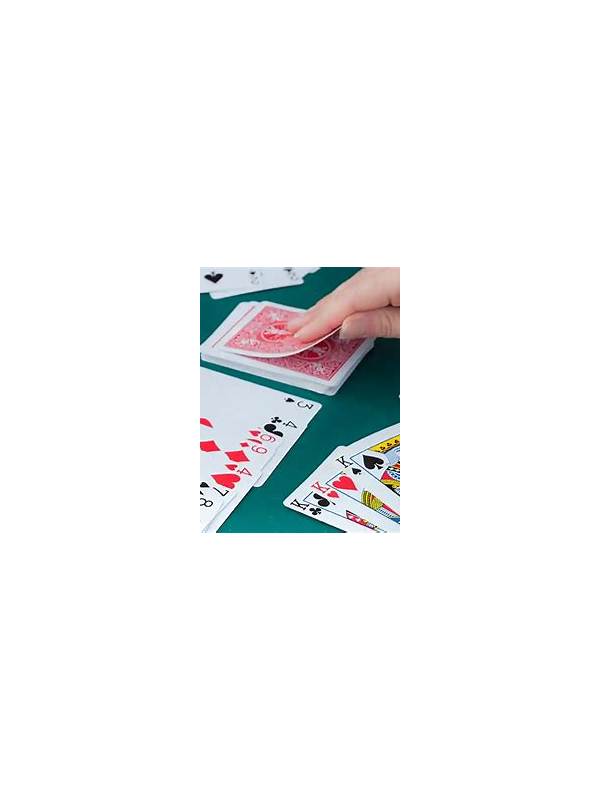
Choosing between the draw pile and discard pile is a recurring rummy decision. The draw pile offers privacy and uncertainty. The discard pile offers visible information and sometimes immediate usefulness. Neither choice is automatically safer; the correct option depends on what your hand needs and what your selection reveals.
The draw pile is useful when you want a fresh possibility without advertising a specific interest. It can also be the better choice when the top discard has little value or would create a route that is too narrow. Its cost is uncertainty: you may receive a card with no immediate job, and you gain less information about what others may want.
The discard pile can provide speed. A visible card may complete a group, create a pure sequence, or remove a dangerous high card from your hand. Before taking it, identify at least one concrete job. “It might be useful” is too weak if the card forces you to keep several unrelated cards. Also consider what your choice communicates. Other players may infer a rank or suit from the pickup, though they cannot know your exact plan.
Compare the two options with three tests. Which choice improves a confirmed or nearly confirmed structure? Which choice lowers penalty if the next turn is unhelpful? Which choice gives the table more useful information about your hand? When both routes are equal, prefer the option that leaves more practical alternatives.
Timing changes the balance. Early in the hand, privacy and exploration may matter more. In the middle, a discard can be worthwhile when it accelerates a strong group. Late in the hand, the safest choice may be the one that reduces points or protects against a sudden declaration, even if it is less elegant.
Avoid taking a discard solely to prevent another player from having it unless the card is relevant to your own hand. Defensive pickups can add clutter and reveal your uncertainty. Use visible information to make disciplined choices, not to collect every card that seems remotely useful.
The draw pile represents optionality without a signal; the discard pile represents a known opportunity with a signal. Good decisions weigh both. After the choice, reassess the whole hand rather than forcing the selected card into the plan. A practical tie-breaker is the card’s information value. Taking a visible discard may tell others something about your route, while drawing privately reveals less. That signal matters only when the two cards are strategically close. Never accept a poor card merely to hide your plan; a clean structure is usually more valuable than secrecy.