Rummy Comparison: Known Information Versus Useful Information
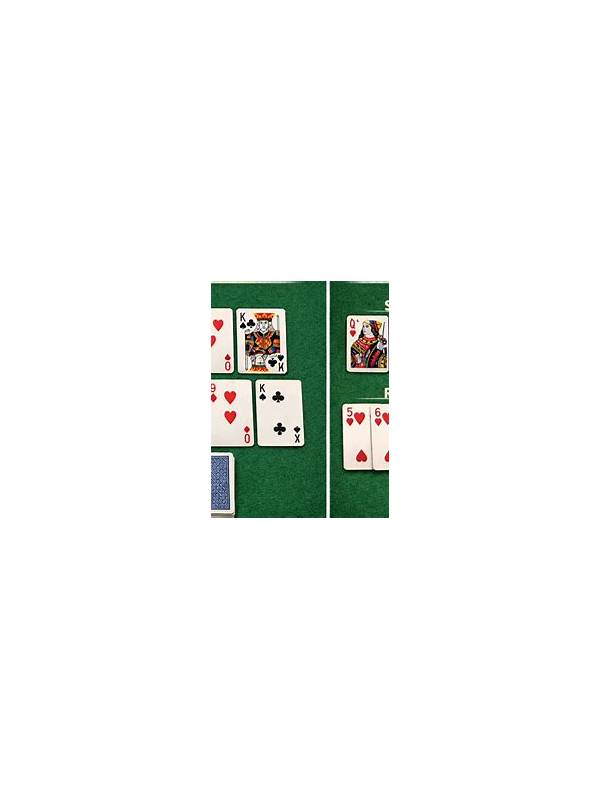
Online rummy presents plenty of information: the open discard, exposed melds, turn order, the timer, and the cards you remember seeing. Known information is anything you can observe with reasonable confidence. Useful information is the part that actually changes your next decision. Confusing the two can make a hand feel more complicated than it is.
For example, knowing that an opponent took a particular discard may be relevant, but only if it affects which card you are willing to release or which route you should avoid. Remembering several earlier cards may be impressive, but if none of them changes the comparison between your two discard candidates, the memory has little immediate value. Information becomes useful when it narrows your choices.
Sort observations into three columns: affects my next draw, affects my discard, and does not affect this turn. The first column might include a visible card that completes one of your routes. The second might include a discard that could help another player. The third includes details you can revisit later but should not allow to delay a decision.
This comparison is valuable when the table is moving quickly. Give priority to information with a direct consequence. If the open pile contains a card you need, ask whether taking it creates a legal improvement and what you will release afterward. If an opponent’s action gives you a clue, use it as a caution rather than proof of their exact hand. Known information can be incomplete or misleading.
The habit also improves practice reviews. After a hand, list the facts you noticed and circle only those that changed an action. Over time, you learn which signals are consistently useful for your style and which ones merely create noise. Good observation is not collecting everything; it is recognizing what deserves a decision.
There is a safety benefit as well. Treating every visible action as a reliable read can create overconfidence and lead to unnecessary risk. A player may take a card for several reasons, including a mistake or a plan that later changes. Use public information to rank possibilities, not to claim certainty about another person’s hand. If an observation does not change your next legal move, let it remain background context. This keeps the table experience calmer and leaves more attention for your own hand.