Rummy Tips: Use a Card’s Exit Cost to Improve Discards
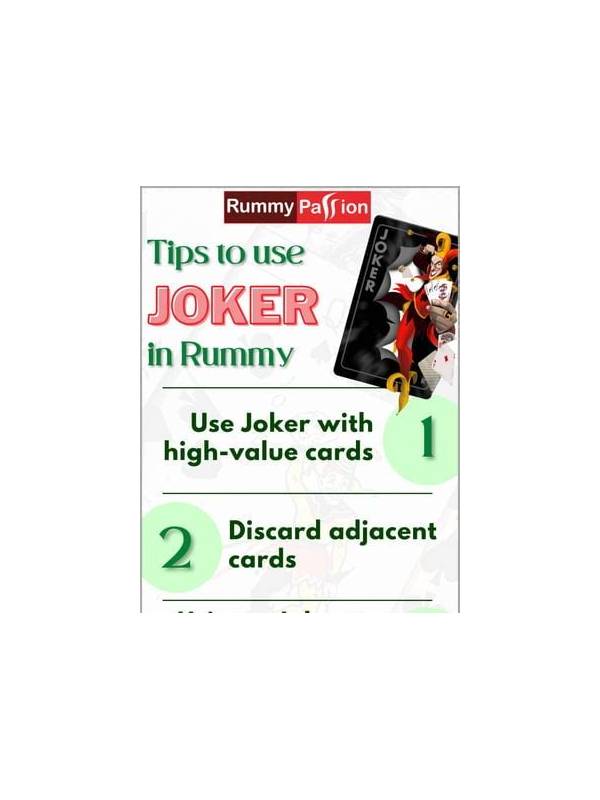
Rummy players often compare cards by point value, but value alone does not explain every discard. A low card can be difficult to place, while a high card may have several realistic homes. One useful additional idea is exit cost: how much flexibility you give up by keeping a card for another turn.
To estimate exit cost, inspect the card’s current relationships. Does it sit next to a card of the same suit? Does it match a rank already represented in another group? Can a joker substitute for it, or would completing its route require a very narrow draw? The more routes a card has, the lower its exit cost usually is. A completely isolated card with no clear partner has a high exit cost even if its points are modest.
Make a short comparison before drawing. Choose two possible discards and ask four questions: How many routes does each card support? How many turns have you already waited? What information might the discard reveal? What does keeping it prevent you from organizing? These questions turn a vague feeling of discomfort into a practical decision.
Exit cost also changes over time. A connector may be attractive early because it can join several sequences, but after surrounding cards have appeared in the discard pile its routes may disappear. Conversely, a card that looked unhelpful can gain value when you draw its neighbor. Recalculate rather than defending your original ranking.
Do not treat exit cost as a mechanical rule. If a card completes a required pure sequence, it can be worth keeping despite being awkward elsewhere. The method is a comparison tool for unresolved cards, not a reason to break a valid structure. It is also important to separate known information from guesses about what opponents hold.
With practice, you can describe a discard in one sentence: “I am releasing this card because its remaining route is narrow, while the other candidate still supports two plans.” That explanation is useful during review because it focuses on the quality of the decision at the time, not merely on whether the next draw happened to reward it.
Keep the method proportional. In a quick practice hand, a low, medium, or high exit-cost label is enough. In a focused review, list the specific routes that disappeared when you discarded. The exercise is valuable when it makes your reasoning visible, not when it adds another complicated ranking system.