
Rummy Tips: Track Dead Cards Without Overloading Your Memory
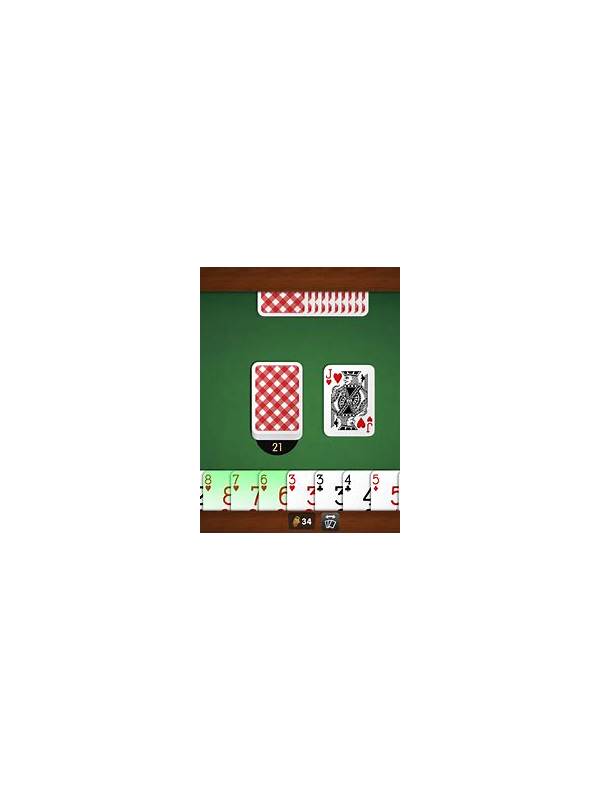
Tracking every card in a rummy round can make play feel like a memory contest. You rarely need a complete record. A better approach is to track only dead cards: cards that have become unlikely to improve your current plans. This keeps your attention on decisions that can still change the outcome.
Begin with the discard pile and mark only information that affects your hand. If several copies of a needed rank have already appeared, make a small mental note such as “low supply.” Do not try to remember the exact order unless the rules make order especially important. The useful question is whether a route is becoming less realistic, not whether you can recite the pile.
Use categories. A card can be live, uncertain, or effectively dead. Live means it completes or extends a practical group. Uncertain means it has a possible connection but depends on several future events. Dead means it no longer supports a route you are willing to pursue. These categories can change after one draw, so treat them as temporary labels rather than permanent facts.
A short review before each discard is enough. Ask which card has the fewest remaining links, which card carries the highest penalty if the hand ends, and which card is helping a plan you no longer believe in. If the same card loses all three comparisons, it is a strong discard candidate. This routine is more useful than trying to monitor every opponent simultaneously.
Avoid a common trap: seeing a card in the discard pile and assuming all copies are dead. A visible card can tell you that one copy is unavailable, but other copies may remain in the deck or in another player’s hand. Use probability as a guide to caution, not as proof. If a route is still valuable, keep it when the alternatives are worse.
The purpose of dead-card tracking is to reduce clutter. When your hand contains fewer cards that depend on vanished possibilities, later draws become easier to evaluate. Keep the system simple enough to use during a real round. A two-second label that improves one discard is better than a detailed record that makes you miss the next decision.
You can make the method even lighter by tracking changes instead of totals. Notice when a card moves from live to uncertain, or from uncertain to dead. Those transitions matter more than an exact count of every visible copy. If the table is busy, remember only the one or two ranks that affect your next choice and let older details go. The purpose is better selection, not perfect recall.


