Rummy Tips: Separate Speed From Urgency
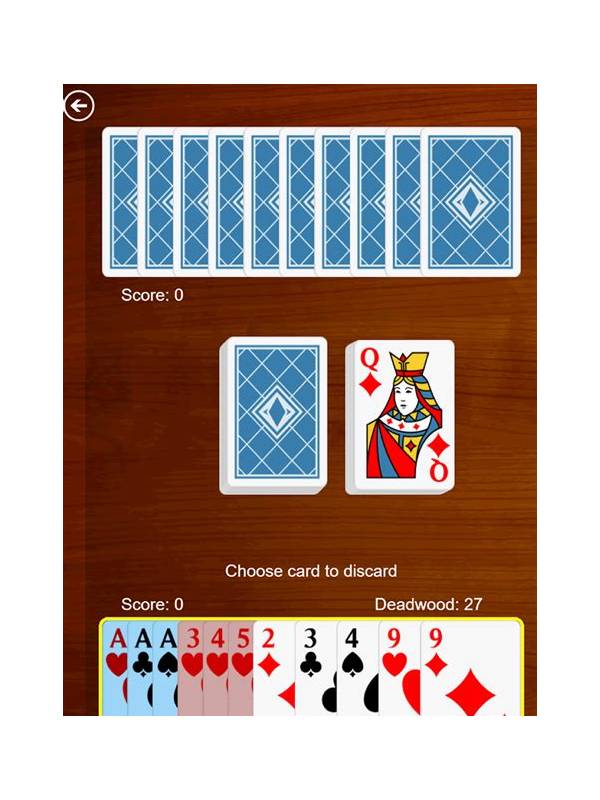
Fast play can be a useful skill when it comes from a clear routine. Urgency is different: it makes a player feel that every second requires an immediate action, even when the hand has not been understood. Separating the two helps preserve accuracy without making every turn unnecessarily slow.
Efficiency comes from preparation. Keep the hand organized, know the required structure, and use a short decision checklist. When those elements are ready, you can draw, evaluate, and discard smoothly. There is little need to hurry because the next step is already clear.
Urgency often appears as a physical or mental signal: skipping a group check, clicking before reading a card, or feeling irritated by a brief pause. Treat the signal as information. Take one deliberate breath, name the candidate discard, and verify that it does not break a necessary group. This pause is small but interrupts automatic action.
Use a two-speed routine. For ordinary turns, make a quick scan of structure, improvement, and discard. For high-impact turns—possible declarations, joker placement, or a group break—switch to a full check. The routine stays efficient because you reserve extra attention for decisions that can change the hand.
Practice with a timer carefully. The goal is not to make every choice faster than the previous one. Instead, set a comfortable limit and see whether you can complete the checklist before it ends. If speed causes missed groups or repeated reversals, lengthen the limit and rebuild accuracy first.
A calm player may still play quickly. The distinction is control: speed follows a process, while urgency replaces it. If you cannot explain why a move is safe enough, pause or leave the table according to the rules. Sustainable decision-making matters more than winning a race against the clock.
If the feeling of urgency persists across several hands, end the session and record the reason briefly. Fatigue, a technical problem, or an external distraction may be the real cause. Returning later with a clear boundary is usually more productive than trying to prove that you can overcome the feeling by playing another hand. Calm is part of readiness, not a reward for finishing.
Treat a planned pause as part of the session design, not as a failure.
You can also define a verbal cue such as “check the route” before a high-impact move. The cue creates a small gap between impulse and action. Keep it private and simple; the goal is to restore control, not to add ceremony. Over time, the cue can become an automatic reminder to use the full checklist.