Rummy Tips: Judge a Sequence by Its Replacement Cards
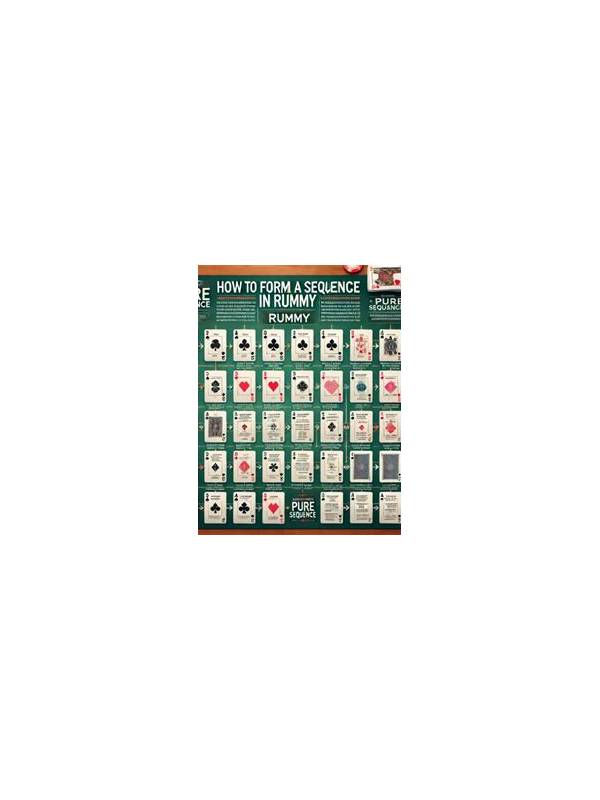
Two cards can appear equally close to a sequence while offering very different futures. A connected pair in the middle of a suit may accept cards on both ends, whereas an edge pair may have only one useful continuation. Comparing the cards that could replace or extend an idea gives you a practical way to judge flexibility before committing to it.
Write down the smallest missing card for each candidate sequence. Then list the other cards that would still improve the same area if the first choice never arrives. For example, a middle connection can often grow in two directions, while a near-ace arrangement may have fewer legal extensions. You do not need exact probability calculations. The purpose is to see whether your plan has several reasonable routes or just one hopeful draw.
The discard pile supplies another clue. If a useful replacement has already appeared and is unlikely to return, lower the value of that plan. If several related cards remain unseen, the plan is still live, but it should not be treated as guaranteed. Keep your observations modest because cards may be in another player’s hand, in the stock, or in a second deck depending on the variant.
Replacement thinking also improves discards. When choosing between two loose cards, ask which one is supported by more future replacements. A card with many routes may deserve protection even if it is not currently part of a pair. Conversely, a high card with only one narrow connection may be a sensible discard when it carries a large penalty.
Use this test once per turn rather than constantly rebuilding your hand. Compare the top two plans, choose the one with a clear route and acceptable risk, then revisit it after the next draw. The method is useful for practice play because it trains flexibility without pretending that a draw can be predicted. Keep sessions time-limited and use only stakes you can comfortably afford. It can help to write replacement cards in broad groups rather than memorizing every possibility. Mark a plan as wide, moderate, or narrow, then compare those labels with the points you are holding. A narrow plan may still be correct when it completes an essential requirement, but it needs a stronger reason than a wide plan. This small vocabulary keeps the review quick and makes it easier to explain your choice after the hand. Over time, you will become better at spotting flexibility before the arrangement looks complete.