
Rummy Strategy: Separate Visible Clues From Unknown Cards
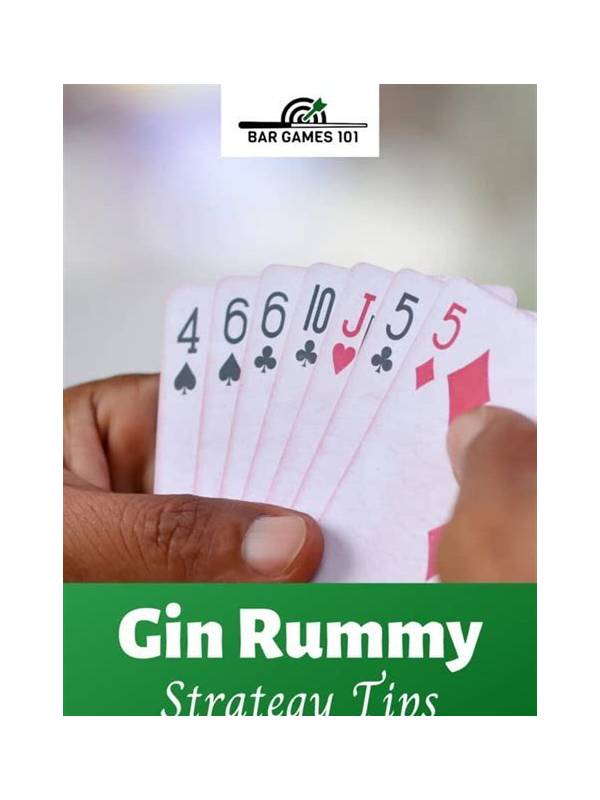
Rummy decisions contain two kinds of information. Open information includes your cards, the discard pile, visible actions, and table rules. Hidden information includes cards in the stock, opponents’ hands, and intentions that have not been demonstrated. Confusing the two leads to overconfidence.
Begin each turn with the open information. Read your own hand carefully, including isolated cards and incomplete groups. Then review the newest discards and any public action that changes the situation. This sequence prevents a story about another player from overshadowing the facts directly available to you.
Hidden information still matters, but it should be expressed as a range of possibilities. Instead of saying, “They definitely need a seven,” say, “A seven may be useful to them, so discarding one could carry some risk.” This wording may sound cautious, but it improves comparison. You can now weigh that risk against the penalty and usefulness of keeping the card.
Avoid treating silence as evidence. An opponent who does not take a visible discard may be avoiding that exact card, or they may simply have a different plan. A quick action may reflect a clear choice, or it may reflect a routine interface habit. Public behavior is informative only when combined with other clues.
Use confidence levels. Label an observation strong when it follows directly from the rules or visible cards, medium when several clues support it, and weak when it is based on one ambiguous action. Give strong observations more influence. Let weak observations break ties rather than determine the whole plan.
This distinction helps with your own strategy too. A plan built on cards already in your hand is more concrete than a plan built on an unknown draw. When comparing them, account for the number of missing pieces and the cost of waiting. A hidden card can complete a hand, but it cannot be treated as present simply because it would be convenient.
Review decisions by asking what was knowable at the time. This keeps hindsight from turning an ordinary uncertainty into an obvious mistake. If a hidden card later appears, that outcome adds information for future play but does not rewrite the original decision.
The aim is not to ignore patterns. It is to give each pattern the right weight. Open information deserves direct action; hidden information deserves measured probability. Keeping the two categories separate produces calmer discards, more honest plans, and fewer dramatic assumptions about the table.


