
Rummy Strategy: Count Useful Draws Before Committing
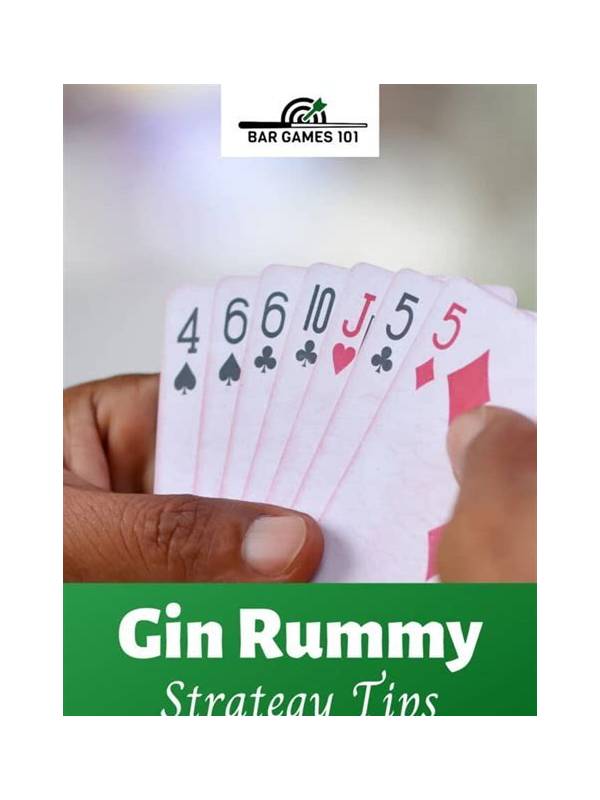
In rummy, an attractive pair can make a hand feel closer to completion than it really is. A simple counting habit can keep that optimism in proportion: before committing to a plan, list the cards that genuinely improve it and compare that list with the cards that do not. The goal is not perfect probability calculation. It is a clear picture of how many realistic routes remain.
Start by writing the group you are considering. Suppose you hold the five and seven of hearts and are tempted to keep them for a sequence. The six of hearts is an obvious useful card, but the four and eight of hearts may also help, depending on the rest of your hand and the rules in use. Mark each card that would produce a legal, valuable improvement. Then remove any card that is already visible in your hand or in a discard you know cannot return.
Next, separate direct improvements from conditional improvements. A direct improvement completes a group immediately. A conditional improvement creates a new two-card possibility but still needs another draw. Keeping this distinction matters because a hand that needs one of several cards is much healthier than a hand that needs one exact card now and another exact card later.
Use the count when choosing between two plans. If one plan has four useful draws and another has one, the broader plan usually deserves attention, especially early in a hand. However, do not treat the larger number as an automatic command. A low-value plan may be safer if it protects a required sequence, and an already completed pure sequence can be more important than a flexible partial group.
Review the count after every meaningful draw. A new card can add routes, remove routes, or change the value of a discard. If your list shrinks to one narrow possibility, set a deadline for abandoning it. You can also note whether the cards you need are appearing in the discard area, since that information affects whether the plan remains practical.
This method works best as a quick checklist rather than a lengthy calculation. Ask: Which cards help immediately? Which only help conditionally? How many are still available? What is my backup if none arrives? Those questions turn vague hope into a manageable decision and leave room to change direction before a weak draw becomes an expensive commitment. You can make the count more useful by recording it before looking at the result of your next draw. That prevents hindsight from changing your estimate. For practice, compare your original list with the cards that actually appeared and note whether your useful-draw definition was too generous. Over time, you will become better at distinguishing a card that merely looks related from one that creates a legal, practical improvement.