Rummy Safety: Use a Separate Budget for Entertainment

A clear entertainment budget is one of the simplest safeguards for any paid game. It is money set aside only for leisure, after essential expenses and savings have been handled. The purpose is not to predict results or guarantee a good session. It is to prevent a game from quietly using money intended for rent, food, bills, or other priorities.
Begin with a time-based limit, such as a weekly or monthly amount. Choose a figure that would not create stress if it were completely spent. Do not calculate the limit from an expected win, a bonus, or an assumption that a previous loss will be recovered. A budget is strongest when it is based on money already available rather than on a future outcome.
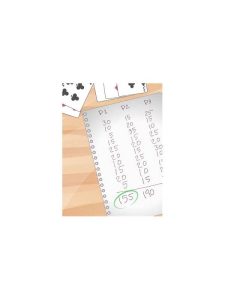
Keep the budget separate in your records. A simple note can show the opening amount, any deposits, and the remaining balance. If an app provides spending controls, use them, but keep your own record as a second reference. Check fees, minimum transactions, and withdrawal conditions before adding funds. Confusing a promotional balance with withdrawable money can make the budget appear larger than it is.
Set a session cap as well as a calendar cap. A monthly amount does not tell you when to stop today. Decide in advance how much time and money one session may use. When either limit is reached, end the session. Do not add a new deposit to continue, and do not treat a loss as a reason to increase the next session’s cap. If the budget is gone, wait until the next planned period.
Watch for warning signs that the plan is weakening. These include hiding transactions, borrowing to play, skipping essentials, feeling pressure to win back money, or continuing after you meant to stop. A pause is appropriate at the first sign, not only after a large loss. Consider using account limits, taking a longer break, or seeking support from a trusted person or a local helpline.
Review the budget when calm, never during an exciting hand. Ask whether the amount was comfortable, whether the time limit worked, and whether the records were easy to understand. If any answer is no, reduce access and revise the plan. Treating paid play as optional entertainment keeps the decision in its proper place: enjoyable only when it remains affordable and controlled. Keep the record private and simple. You do not need elaborate predictions or a target return. A dated line showing the limit, amount used, and remaining balance is enough to reveal drift. If tracking feels uncomfortable, that discomfort is useful information. Stop, take a break, and consider whether paid play fits your circumstances at all. A budget is a boundary, not a challenge to spend up to the maximum.