
Rummy Safety: Keep Screen Time and Spending Limits Separate
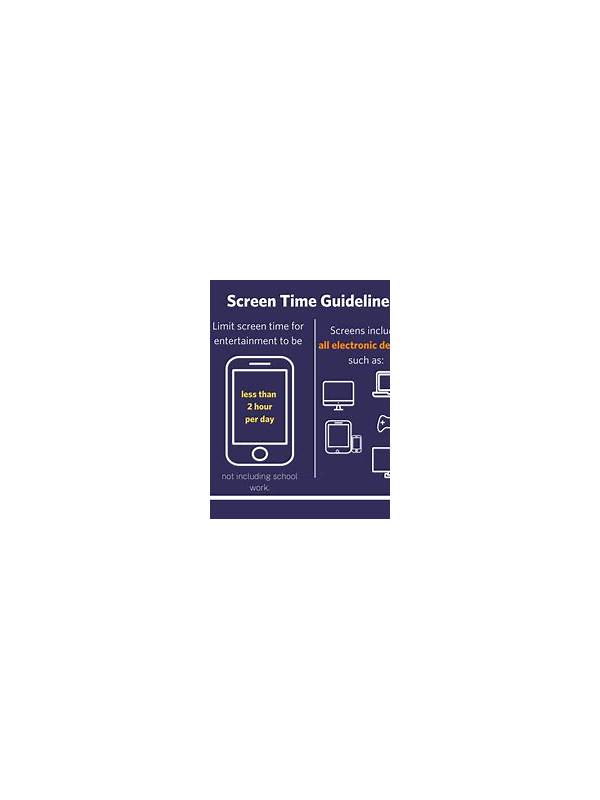
Time and spending are different limits, and tracking only one can create a blind spot. A player may stop spending but continue playing while tired, or stop after a set time and then extend the budget to chase a result. Separate boundaries make both easier to respect.
Set the time boundary
Choose a start and stop time before opening a table. Include a short review or cool-down period if that helps you finish calmly. Use a device reminder rather than relying on a feeling that the session is nearly over. When the reminder arrives, stop at the natural break and do not bargain for one more hand.
Set the money boundary
Decide what amount, if any, is comfortable to risk and treat it as a ceiling, not a target. Keep essential expenses, savings, and borrowed money outside the decision. Never increase the limit because of a loss or a temporary winning streak.
Use two separate questions
Before continuing, ask: “Do I still have time within my plan?” and “Am I still within my spending plan?” A yes to one does not override a no to the other. If either answer is no, end the session. If you feel urgency, frustration, or a need to recover losses, take a longer break and seek support from someone you trust.
Write the limits privately and review them when calm. Platform tools such as deposit caps, cooling-off periods, and self-exclusion may provide additional protection where available. Learn the local rules and use official settings rather than informal promises.
Boundaries work best when they are decided before emotion rises. Keeping time and money separate gives you two independent safety checks and makes a session easier to end with control.


