Rummy Comparison: Immediate Clarity Versus Long-Term Flexibility
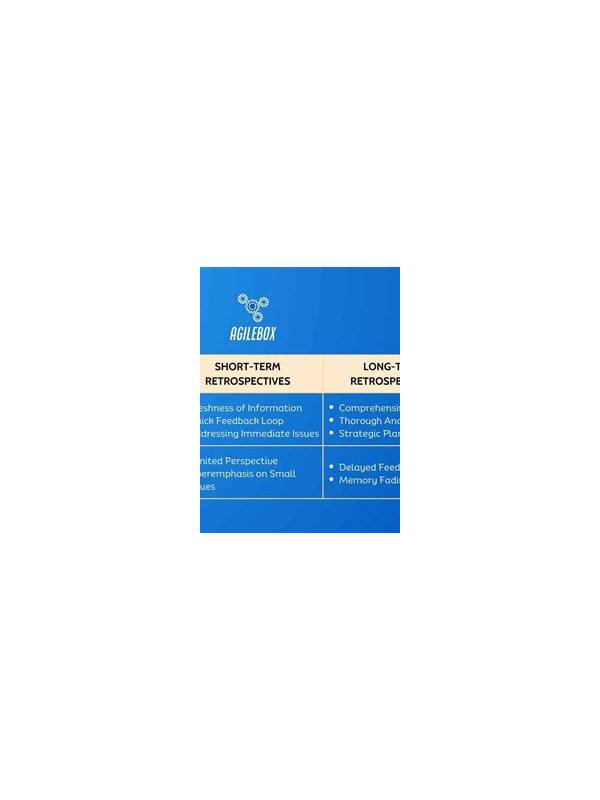
Some rummy moves make the hand easier to see immediately. Others leave the hand messier but preserve several useful possibilities. Neither quality is always superior. Immediate clarity reduces mistakes and mental load, while long-term flexibility can protect you when the next draw is uncertain. Comparing them requires looking at both the next turn and the recovery path.
Measure immediate clarity by asking what becomes obvious after the move. Does it complete a group, remove a dead card, or separate two competing routes? Then measure flexibility by counting realistic exits. Does the move keep cards that can join more than one group? Does it avoid making one exact future card essential? These questions turn vague preferences into a balanced comparison.
Consider the pace and stage of the hand. Early in a round, preserving options may be worth a little visual mess because many cards remain unseen. Later, a clear legal structure may be more valuable because there is less time to recover. A fast table can also favor clarity when a complicated layout increases the chance of a rushed error. The context changes the trade-off.
Watch for false clarity. A neat arrangement may simply hide that all remaining work depends on one rank. Likewise, flexibility can become clutter when too many speculative cards remain without a review deadline. Ask whether each option has an actual route, not just a theoretical connection. Remove options that cannot survive a reasonable next draw.
In practice, compare two candidate moves before acting and state their main benefit in one phrase: “clearer now” or “more exits later.” After the hand, check which benefit mattered. This habit helps you build a personal sense of when simplification is protective and when it is premature. Good play is often the ability to choose the right kind of advantage for the current moment.
The comparison is also useful when no move feels attractive. Choose the option that preserves a reasonable recovery path and creates the least confusion. You are not required to find a perfect balance; you are choosing which weakness is easier to manage. Naming that trade-off makes the decision reviewable later and prevents the result from being the only measure of quality. Naming that trade-off makes the decision reviewable later and prevents the result from being the only measure of quality.
Over several sessions, these comparisons reveal your preference: perhaps you simplify too quickly, or perhaps you keep clutter for too long. Adjust the next exercise to that pattern.