Rummy How-To: Review an Opponent Discard Systematically
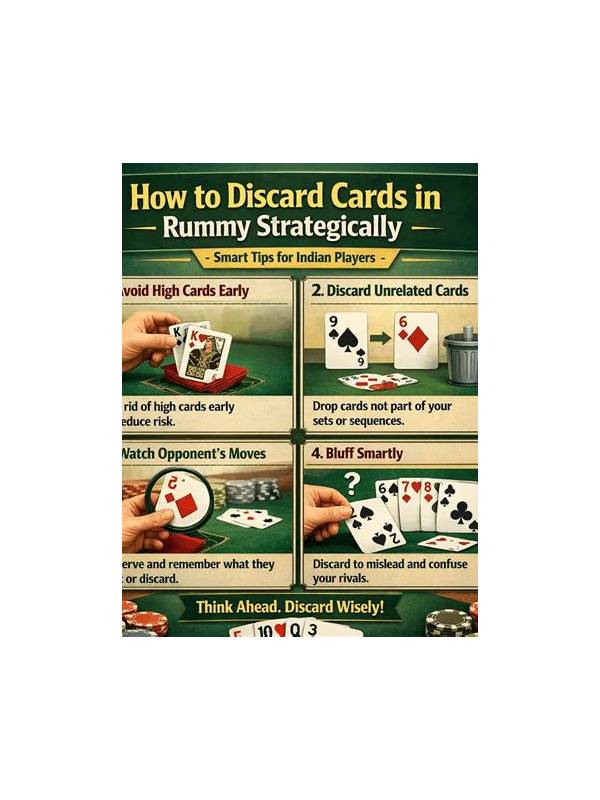
Watching an opponent’s discard is useful when it is systematic. A dramatic card can attract attention, but one event rarely explains a hidden hand. Use a repeatable routine that records evidence and keeps alternative explanations available.
Begin with the card’s basic properties: suit, rank, and whether it is close to other visible cards. Then note the source of the card that preceded the discard. Was it drawn from the closed pile or taken from the open pile? Taking an open card and discarding another may reveal a preference, but it can also be a temporary correction.
Look for repetition across at least two or three turns. Repeatedly releasing high cards may suggest the player is reducing exposure, while repeated collection of one suit may suggest a sequence plan. Neither pattern proves a declaration is near. Your observation should change how carefully you offer connected cards, not replace your own hand assessment.
Ask what else could explain the same event. The player may have received an unwanted duplicate, made a defensive discard, or simply chosen the least useful card under time pressure. Keeping two explanations prevents you from overvaluing a neat narrative. Update your view when new evidence arrives.
Use the information at the margin. If two of your possible discards are equally safe, prefer the one less likely to help the observed plan. If one discard clearly improves your hand, take it even if the opponent might benefit. Information should refine a close decision, not force a poor one.
After the hand, compare your reading with what was actually revealed. Note where the observation was accurate and where it became an assumption. This review trains calibration. The goal is not to “read” opponents perfectly; it is to notice patterns early enough to make your own choices more robust while accepting that hidden cards remain hidden.
Keep the observation proportional to the table. In a fast game, suit, rank, and repeated direction may be enough. Never let private notes delay your own legal move; their value is in improving a decision at your turn.
Avoid interpreting silence as evidence. A player who does not take an open card may be waiting, distracted, or holding a different plan. Record what happened, not what you wish it meant. This discipline makes later review clearer and keeps your own strategy from becoming reactive.
Your own discard remains the priority. Observation is valuable only after your hand has a legal and sensible next move.