Rummy How-To: Build a Visible-Card Inventory Before a Difficult Draw
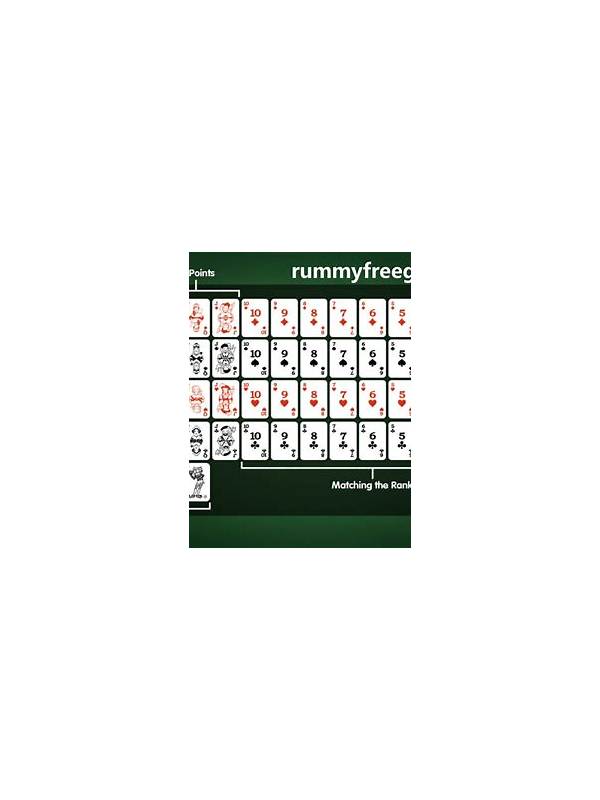
When a hand depends on one particular card, memory can exaggerate its chances. A visible-card inventory gives you a calmer basis for deciding whether to keep the draw alive. The inventory does not need to include every card in the pack. It only needs the cards relevant to your unfinished groups and the cards already exposed in the hand or discard area.
Write down each needed rank and suit, then cross out copies you can see. If a card appears in your own hand, a completed group, or an open discard pile, it is no longer an unseen possibility. Account for the rules of the table before interpreting the result, especially when jokers or multiple decks are involved. The point is accuracy, not complicated mathematics.
Now classify each need as broad, narrow, or blocked. A broad need has several plausible completing cards. A narrow need relies on one or two cards. A blocked need has no realistic completion under the current information. This classification is often more useful than a precise probability because it tells you how aggressively to protect the group.
Compare the inventory with the cost of waiting. A low-point flexible pair may justify one more test, while a high-point isolated card should usually be released sooner. If a needed card is available from the discard pile, consider whether taking it would reveal your plan or improve an opponent’s options. The draw decision includes table information, not just your private hand.
Refresh the inventory after meaningful changes. New discards, a joker decision, or a completed pure sequence can alter the value of every remaining need. A two-minute inventory is a tool for difficult positions, not a ritual for every turn. Use it when your hand feels dependent on one card, and let the result tell you when to move on.
Avoid treating the inventory as a promise of success. Even an unseen card can fail to arrive, and an available card can be taken by another player. Its purpose is to expose concentration of risk. If most of your improvement depends on one small category of cards, lower the hand penalty and prepare a fallback. If improvement is spread across many categories, you can tolerate another test. The inventory changes your patience, not the laws of the draw.