Rummy How-To: Build a Three-Level Hand Review
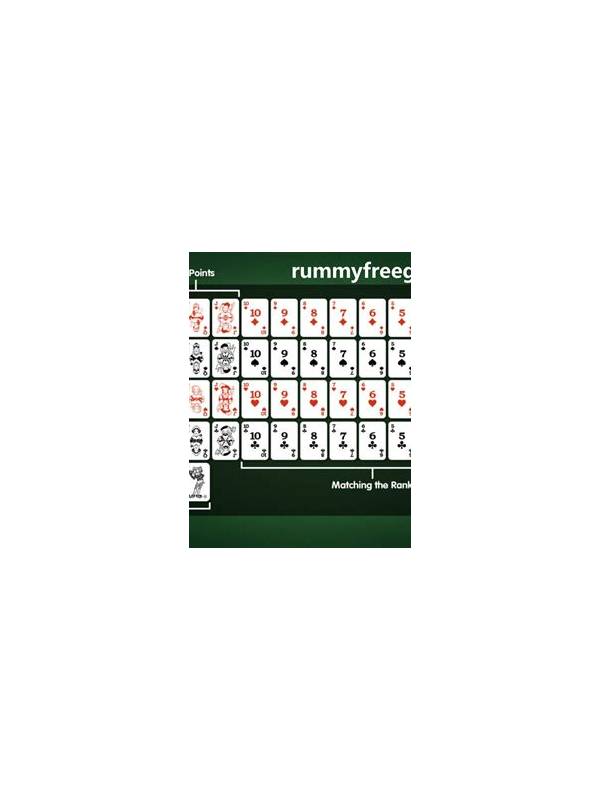
Hand reviews become difficult when every question arrives at once. A useful shortcut is to check the hand at three levels: legality, improvement, and risk. The order matters because a beautiful plan is irrelevant if it cannot produce a legal declaration.
Level one is legality. Identify any required pure sequence or other format-specific condition, then check whether your current groups and runs satisfy it. Do not assume that a group, a joker-assisted run, or a nearly complete sequence counts in the way you want. If you are unsure about a rule, consult the platform’s official rules before entering a meaningful game. A review cannot repair a misunderstanding of the format.
Level two is improvement. For each ungrouped card, ask what it can become and how many plausible cards help. Include natural extensions, group possibilities, and cards that reduce the cost of an eventual discard. Then mark routes that compete for the same card. Two attractive plans may not be independent; they may both require the same rank and suit.
Level three is risk. Look at high-value loose cards, narrow dependencies, visible blockers, and the number of turns available. Also check whether a joker is hiding a weak structure. A hand can be close to looking complete while still depending on several exact cards. Risk does not mean abandoning every uncertain route. It means pricing uncertainty before committing.
Keep the review short by using one sentence per level: “What must be legal?” “What can improve?” “What can punish delay?” If the answers are unclear, sort the cards again and reduce the number of active plans. A crowded hand often becomes easier once each card has one primary job and one backup job at most.
After drawing, review only the level affected by the new information when time is limited. A card that completes a pure sequence may require a legality check. An opponent’s exposed group may change improvement routes. A high-value discard may make risk the urgent question. This targeted review is faster than restarting from zero every turn.
Use the same three levels in post-game analysis. Note whether the error was a rule error, a route-selection error, or a risk-timing error. Naming the level prevents vague conclusions such as “I played badly.” Over several sessions, the pattern can show whether you need rule study, better hand reading, or stronger stop rules.
You can also use the review before a session as a warm-up. Take a sample hand, identify the requirement, name two improvement routes, and mark the main risk. This exercise builds the sequence of questions without adding pressure from a live timer or a changing table.