
Rummy How-To: Build a Personal Discard Vocabulary
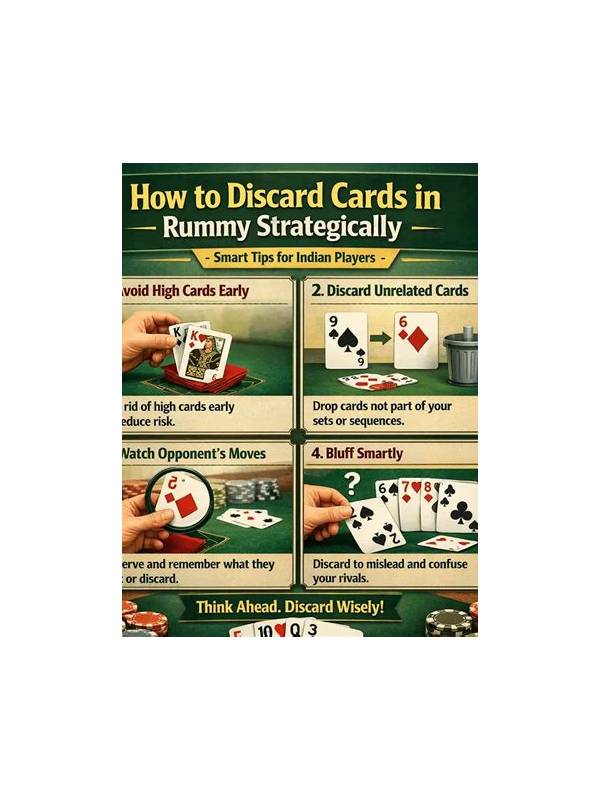
Many players remember a discard as simply “good” or “bad.” That label is too broad to teach much. A personal discard vocabulary gives you better language for reviewing decisions. You do not need technical jargon or a large notebook. A few repeatable categories can show why a card left your hand and what information that action exposed.
Begin with four labels: dead, flexible, informative, and urgent. A dead card has few realistic connections in your current hand. A flexible card can join more than one route and deserves extra thought before release. An informative discard is chosen partly because its reaction may reveal what the table values, although the reaction should never be treated as certain proof. An urgent discard is one you release because its points, danger, or rule implications make delay expensive.
Use the labels only after considering the current hand. The same seven may be flexible early and dead later. Write the card, the label, and one reason in a short review. For example: “Nine of hearts — urgent, high points and no nearby structure.” This is more useful than “bad discard,” because it records the condition that made the decision reasonable.
Add a second line for the alternative. What card could you have released instead, and what would that have preserved? This prevents the vocabulary from becoming a way to defend every decision. If you call a discard flexible, the review should show which routes it supported. If you call it informative, note what you hoped to learn and whether the result actually changed your plan.
After five or ten hands, group the notes by label. You may discover that you often call cards dead too early, or that you use “informative” to rationalize risky gifts. Adjust the categories when the evidence shows a problem. The vocabulary is a tool for accuracy, not a grading system.
Keep the final set small enough to use at the table. Four or five labels are usually sufficient. The habit works because it separates card value, information value, and timing. Once those ideas have names, you can notice them faster and make decisions with less vague intuition.
Use the vocabulary in a neutral tone. “Informative” does not mean wise, and “urgent” does not mean forced. The labels describe the reason you gave yourself at the moment. Comparing that reason with the result later helps you improve the category definitions. Over time, the notes become a map of your habits: perhaps you release flexible cards too soon, or fail to recognize when an urgent discard has become unavoidable.


