Rummy How-To: Build a One-Minute Pre-Draw Scan
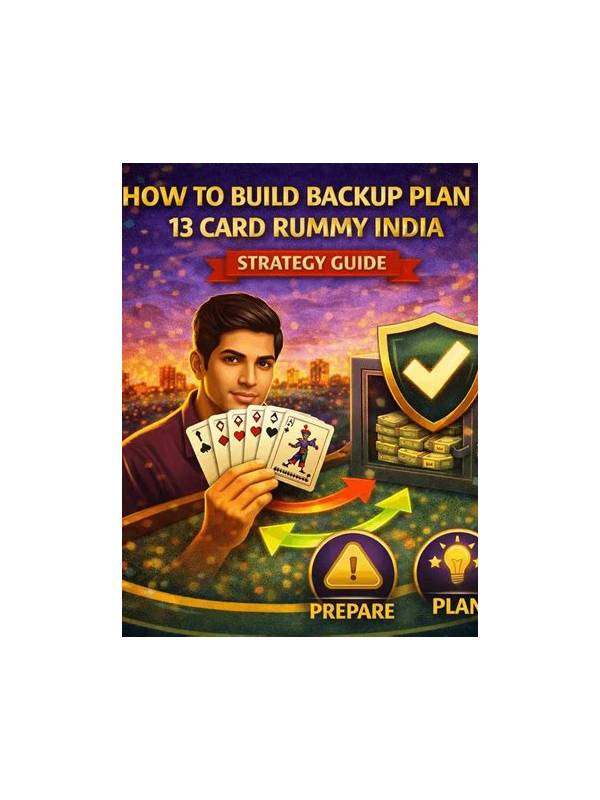
A pre-draw scan is a brief routine used before choosing from the available draws. Its purpose is not to calculate every possibility. It is to prevent the most common oversights: forgetting a completed meld, chasing a single out, or ignoring an unsafe discard. A one-minute limit keeps the routine practical.
Use four checkpoints. First, check your hand shape. Identify completed melds, unfinished groups, and isolated cards. Second, check the table. Review recent discards, pickups, and exposed cards for clues about what is likely useful to others. Third, check your candidates. Name the best two or three cards that could improve your hand and what each would accomplish. Fourth, check your exits. Decide which card you could release after drawing.
The order matters because it moves from your position to the shared information and then to the decision. Do not start with the most attractive visible card. That can cause you to build a plan around a draw before deciding whether the rest of the hand can support it.
Keep your language concrete. Instead of saying “this draw looks good,” say “this card completes a sequence and lets me release a high singleton.” Instead of “that discard seems dangerous,” say “the player who took the adjacent rank could use this card in the same suit.” Concrete statements expose weak assumptions quickly.
When the hand is simple, the scan may take only a few seconds. When the table is complicated, use the full minute. If you still cannot distinguish between options, choose the line that preserves the most useful flexibility at the lowest discard risk. A scan is meant to improve the quality of an uncertain decision, not manufacture certainty.
Avoid adding too many checkpoints. Budget, time, and account safety limits should be set before play, not improvised inside this card routine. Likewise, do not attempt to remember every card ever seen if your format does not require it. Focus on recent evidence that can change the current choice.
After several hands, record whether the scan caught anything important. If you repeatedly miss opponent pickups, give the table checkpoint more attention. If you keep too many weak candidates, strengthen the candidate test. The routine should evolve from observed errors rather than becoming a ritual performed without thought.