Rummy Guide: Use the Three-Discard Memory Window
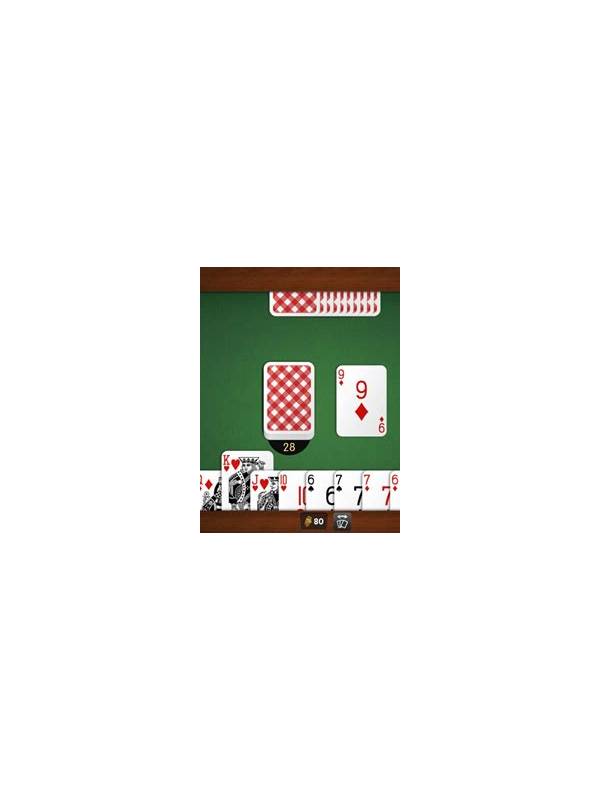
Remembering every discard is unnecessary and can distract from the hand. A three-discard memory window gives you a manageable snapshot. Track the latest three meaningful cards and use them to ask better questions about the current table.
For each card, note its rank, suit, and whether it was taken immediately or left available. The timing matters because an immediate pickup suggests stronger interest than a card that remained untouched. Do not treat this as proof of a player’s plan; it is only a clue about recent priorities.
At the start of your turn, compare the window with your own needs. If two recent discards remove cards that would help your developing group, reduce that group’s priority. If a card you need remains visible and nobody takes it, ask whether the apparent value is real or whether it is simply a tempting distraction.
Refresh the window after each turn. Older information is not useless, but it becomes less reliable as the hand changes. A player may have completed a group, changed direction, or been forced into a discard. The window is designed to keep your attention on current evidence rather than build a rigid story.
When you cannot remember a card, mark it unknown instead of inventing details. Good play does not require perfect memory. It requires honest awareness of what you know and what you are guessing. The three-discard window is useful because it limits cognitive load while preserving a few high-value clues.
The window can also help you notice changes in pace. If a player suddenly begins taking several visible cards, that is a behavioral clue, though not a definitive explanation. Combine it with card patterns and the stage of the hand. Never let a remembered discard override the rules or your own safety limits. Memory is a support tool, not a reason to play longer, chase a result, or make assumptions about another person. Memory is a support tool, not a reason to play longer, chase a result, or make assumptions about another person.
You can practice the window away from a live table by reading a sequence of sample discards and recalling only the latest three. Add a fourth card, replace the oldest, and repeat. The exercise trains selective attention rather than total recall. In a real game, abandon the exercise if it increases stress or causes you to miss your own turn. A useful method should simplify play, not make it frantic.