Rummy Guide: Use a Recovery Card to Keep a Plan Flexible
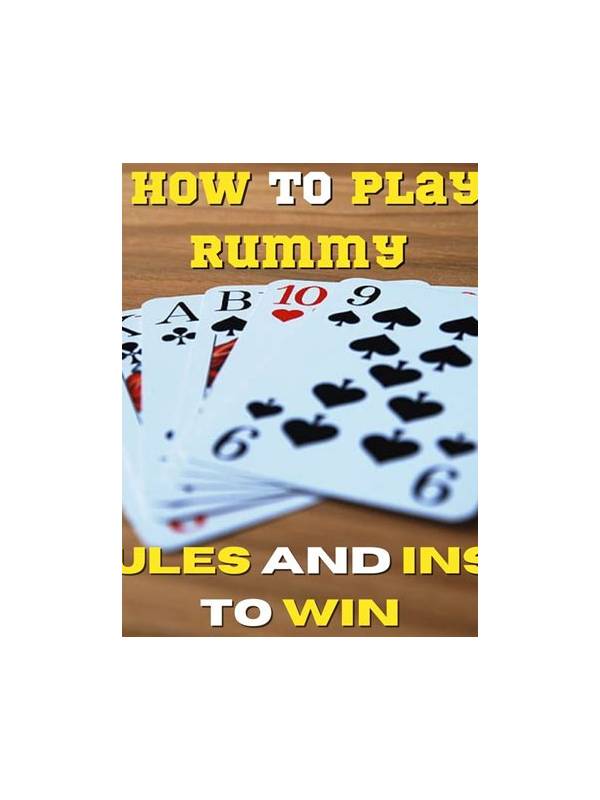
A recovery card is a card that can move into more than one useful route if your first plan fails. It is not necessarily the most valuable card in the hand. Its value comes from reducing the cost of being wrong.
Identify recovery cards after mapping your primary route. Suppose you are developing a sequence that needs one missing rank. Look for another card that could join a pair, extend a different sequence, or complete a set. That card gives you a possible exit if the first route stops improving. Keep it only if the alternative is realistic; a card with three imaginary uses is not automatically a recovery card.
Compare recovery value with holding cost. A flexible low card may be worth keeping for several turns, while a high card with the same number of theoretical uses may require a faster decision. Ask how many cards can improve the alternative route and whether those cards are compatible with your current groups. A recovery card should not create more clutter than it removes.
Do not protect recovery cards forever. Set a checkpoint, such as the next two draws or the moment a primary group is completed. If the card still has no clear role by then, move it into the discard queue. Flexibility has diminishing returns when it delays the formation of a valid hand.
Recovery cards are particularly useful after a forced discard or an awkward opening deal. They help you avoid a complete reset because one route can continue while another develops. They also support calmer decisions near the middle of a round, when a player may otherwise chase the first plan too aggressively.
At the end of a hand, review whether the card actually provided recovery. Did it create a viable second route, or did you keep it because you disliked committing? This distinction matters. Good flexibility creates options that can be named and tested. Bad flexibility simply postpones a discard.
The principle is simple: preserve one credible exit, not every possible exit. A recovery card is useful when it lowers the impact of an unhelpful draw while leaving enough space for your main groups to finish. Used selectively, it makes route planning more resilient and less dependent on one exact card.