Rummy Guide: Use a Constraint Checklist
Start with what cannot be ignored
Good rummy decisions are often less about finding a brilliant combination and more about respecting the hand’s constraints. A constraint is any fact that limits your legal or practical choices. It may be a required pure sequence, a card already visible in the discard pile, a short turn window, or a high-value unmatched card that is becoming expensive to hold.
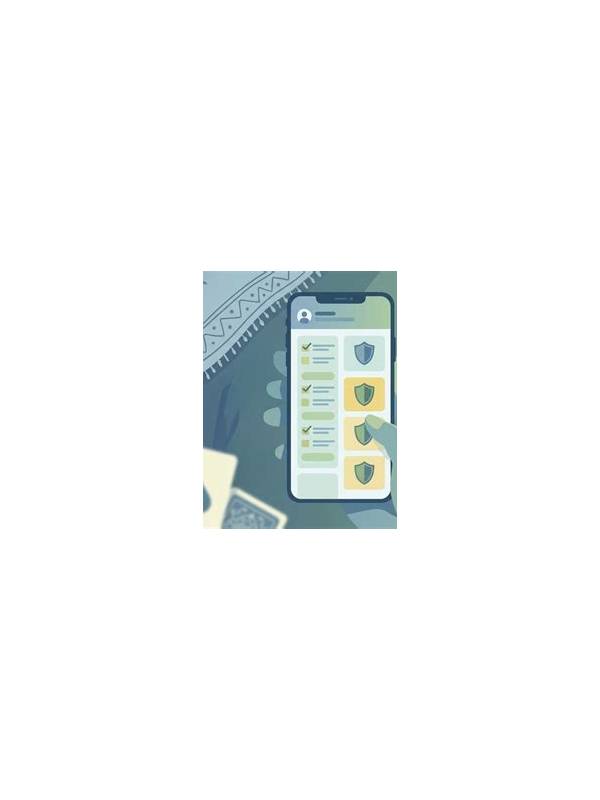
Before drawing, make a quick list of three constraints. First, note the rule that must be satisfied for a valid declaration. In many Indian rummy formats, that includes at least one pure sequence, but the exact requirements can vary by table, so check the format before playing. Second, identify the cards or groups that cannot be disturbed without damaging your best route. Third, mark the time or turn pressure that could make a patient plan unrealistic.
Convert the list into choices
Do not leave the checklist as a collection of warnings. Turn each item into a question. If a pure sequence is missing, ask which candidate cards could build one and how many draws the route needs. If a group is nearly complete, ask whether keeping it blocks a stronger arrangement elsewhere. If the hand is under pressure, ask when you will stop waiting for a narrow card.
This method prevents a common mistake: judging one attractive card without considering the whole hand. A card may connect to two others yet still be a poor hold if it leaves the required structure unresolved. Conversely, a plain-looking card may be valuable because it protects a legal route and gives you a clean discard later.
Recheck after every meaningful change
The checklist is not a promise to follow the first plan forever. Revisit it after a useful draw, a revealing discard, or a turn that produces no progress. Cross out constraints that no longer apply and add only information that changes a decision. Keeping the list short matters; a page of observations can become another distraction.
For practice, write the checklist before looking at the next card. This makes it easier to see whether the draw changed the hand or merely created a new temptation. Over several rounds, compare the constraints you identified with the choices you actually made. You may discover that you repeatedly ignore the same requirement, such as a missing pure sequence or an expensive leftover. That pattern gives you a focused skill to work on without judging the outcome of one round.
Use the final version before declaring. Confirm the required groups, check that no card has been counted twice, and identify the discard or action that completes the hand. A constraint checklist is a small discipline, but it makes legality, timing, and card value visible together. That usually produces calmer decisions than chasing whichever combination looks most attractive at the moment.