Rummy Guide: Use a Three-Layer Hand Snapshot
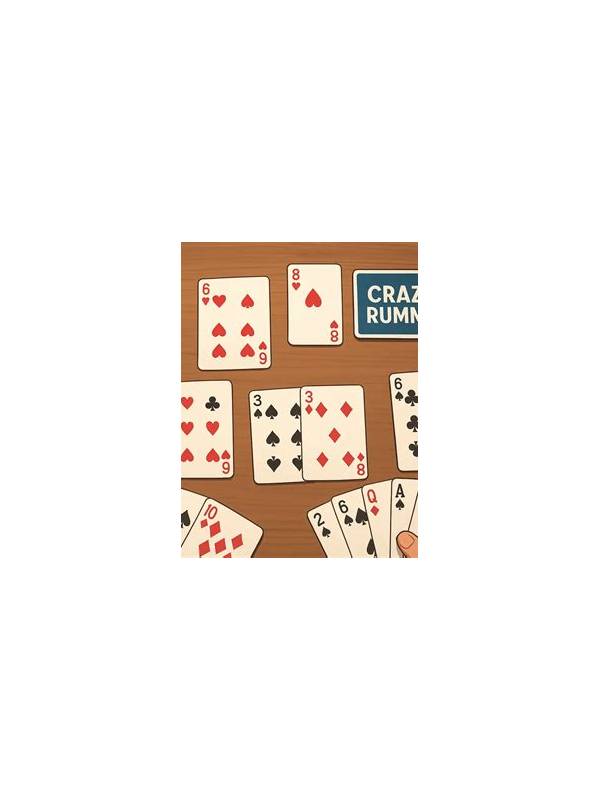
Many rummy mistakes begin before the next card is drawn. A player sees a promising pair, remembers one attractive sequence, and acts without checking the rest of the hand. A three-layer hand snapshot creates a short pause that makes the decision more deliberate. The method is simple: describe structure, flexibility, and risk in that order.
The first layer is structure. Sort the cards by the groups they already support. Mark completed sequences, possible sequences, pairs, singletons, and jokers. Do not judge them yet. This is an inventory, not a strategy. A card belongs in the first layer only because of what is visible now. For example, two connected cards may be a possible sequence, while an isolated high card is a singleton.
The second layer is flexibility. Ask how many useful jobs each card can perform. A middle card may connect on either side, while an edge card usually has fewer neighbors. A joker may complete several patterns, but using it in one group removes it from another. Write a small note beside flexible cards rather than treating flexibility as automatic value. A card is useful only when at least one realistic route remains open.
The third layer is risk. Look for high-point cards that are not improving, routes that need several specific draws, and cards that could reveal your plan through the discard pile. Also check whether your proposed discard gives an opponent an obvious connection. Risk does not mean “never keep this card.” It means the card needs a reason to stay.
After the snapshot, compare two actions: keep the current structure and wait, or release one card to make a new structure. Prefer the action that improves the hand while preserving a fallback. A snapshot should take less than a minute once practiced. It is especially helpful after a surprising draw, because it prevents an old plan from controlling a changed hand.
The method is useful for practice as well. Record the three layers before a decision, then review them after the round. You can see whether the error came from misreading the structure, overvaluing flexibility, or ignoring risk. That makes improvement more specific than simply labeling a hand lucky or unlucky.
Keep the snapshot descriptive rather than predictive. It should say what the hand offers and what it costs, not promise that a certain card will appear. If the draw is unhelpful, repeat the snapshot with the new card included. This small reset prevents disappointment from turning into impulsive play and makes the next action easier to explain.