
Rummy Guide: Mark the Strongest Anchor in Your Hand
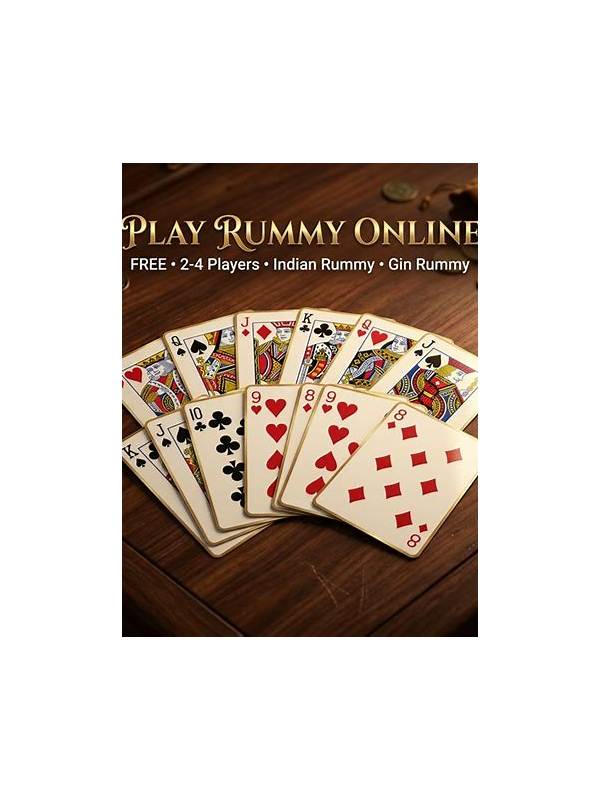
An anchor is the part of a rummy hand that already has the clearest path to a legal structure. It may be a completed sequence, a strong pair, or a connected group of cards with several useful additions. Marking it early gives the hand a center while leaving enough room to adapt.
Look for the anchor before chasing new possibilities. Ask which cards are already connected, which missing cards would improve them, and whether the route fits the exact rules of the game. A sequence with two natural neighbors is usually a more dependable anchor than a lone high card that might join a group. Do not call a card an anchor simply because you like its rank.
Once you find one, protect it from casual discards. This does not mean refusing every tempting pickup. It means checking whether the new card genuinely improves the anchor or creates a stronger structure. If a move breaks the anchor, identify the replacement first. A hand with one reliable foundation and one flexible experiment is easier to manage than a hand with three unfinished ideas.
The anchor can also guide the discard. Remove cards that have no relationship to it and no independent route. Then compare the remaining fragments by flexibility and penalty. If the anchor is a low-risk sequence, an isolated high card may leave before a speculative pair. If the anchor is fragile, keep a backup connector until more evidence arrives.
Reassess when the table changes. A visible matching card may reduce the anchor’s chance, while a new neighbor can make it much stronger. Opponents’ pickups may also make a route unsafe. An anchor is a working hypothesis, not a permanent promise.
After the hand, note whether the anchor helped or trapped you. If it survived because it was genuinely strong, the method worked. If you kept it despite repeated misses, set an earlier exit rule next time. Good organization protects commitment without confusing commitment with stubbornness. Place protected cards together in practice, and test every new card against them before moving it into the group. This makes the final legality check easier.
An anchor should also be easy to explain. If you cannot say why it is stronger than the alternatives, it may only be familiar rather than reliable. Explain the missing cards, the timing, and the likely discard. Clear language exposes weak assumptions before they take over the hand. This is particularly useful when a pair feels emotionally safer than a flexible sequence.


