Rummy Guide: Perform an Endgame Sequence Audit
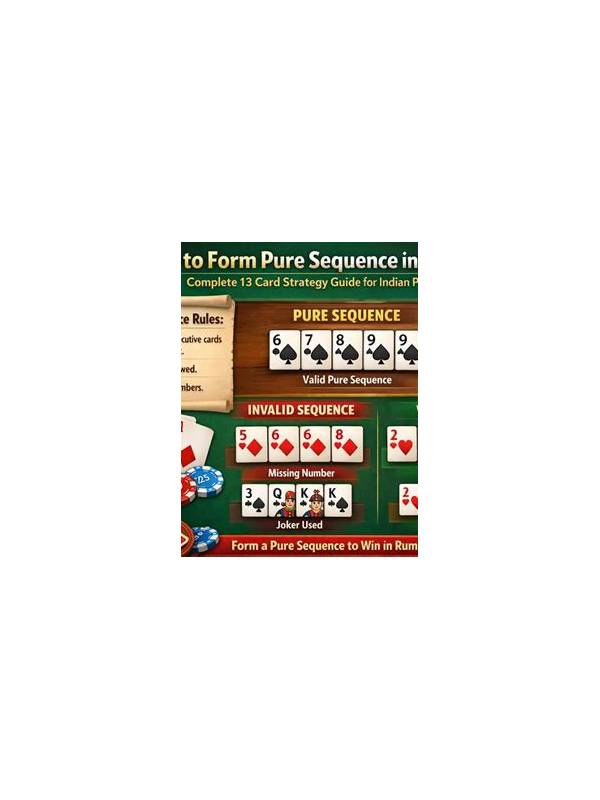
Near the end of a rummy hand, speed can create avoidable mistakes. A sequence may look complete while containing a gap, a misplaced joker, or a card that belongs to another group. An endgame audit is a short deliberate check before any declaration.
First, separate the cards into proposed groups without relying on the visual order in your hand. Place each sequence in rank order and confirm that every neighboring pair follows the game’s sequence rule. Do not let a familiar pattern hide a missing rank. Then inspect every set for the required rank and distinct suits where applicable. Exact requirements vary by format, so use the rules for the table you joined rather than memory from another variant.
Next, identify the required pure or natural sequence. If the format requires one, verify it separately before checking the rest of the hand. A hand can contain several attractive groups and still fail because its foundational group is not valid. Mark the cards that make this requirement work so you do not accidentally move one during rearrangement.
Audit jokers with special care. For each joker, state which missing card it represents and whether that use is permitted in the group. A joker should not be counted twice, and a card substituted by a joker should not also be treated as naturally present. If changing the joker’s position makes another group invalid, the arrangement is not ready.
Count every card exactly once. Start with the proposed groups and tick off the hand from left to right. Any card left over is a warning, even if it seems low value. A duplicated card in two proposed groups is equally important. This accounting step catches errors that a quick visual scan misses.
Finally, compare the arrangement with the declaration process. Check whether the app requires a particular button, confirmation, or order. Do not press a declaration control while still experimenting with groupings. If the rules allow time, pause for one breath and repeat the pure-sequence and card-count checks.
An audit is not hesitation for its own sake. It protects a good hand from a preventable invalid declaration and gives you a repeatable routine for high-pressure endings.
Practice the sequence during low-pressure hands so it becomes familiar. A routine learned before the final turn is easier to use when the table is fast, the screen is crowded, or the result feels important. Accuracy should be the habit, not an emergency response.