Rummy FAQ: What Is a Dead Draw?
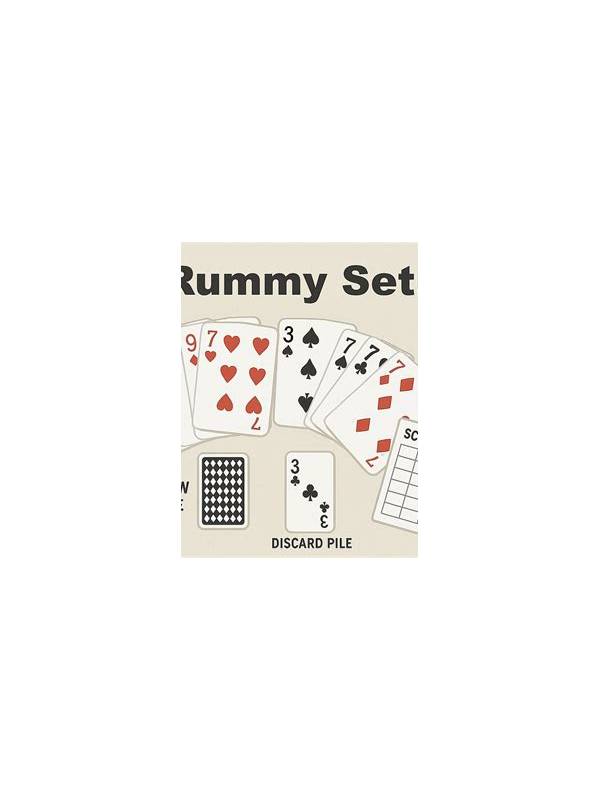
A dead draw is a card that does not improve a current group, create a credible new route, or reduce the risk of the remaining hand. The label describes the card’s value in the present hand, not its value in every possible hand. A card that is useless now may become helpful after a later draw, so the term should guide review rather than create certainty.
Check three questions when a card arrives. Does it extend a sequence already supported by at least two cards? Does it strengthen a set or create a second way to use nearby cards? Does it lower the points or risk attached to an isolated card? If the answer to all three is no, the draw is probably dead for now.
Avoid calling a card dead simply because it is not part of your favorite route. A middle card can have several connections even when none is complete. Likewise, a high card may be worth holding if it is paired or if the rules make its disposal costly. Evaluate the whole hand and the cards you would have to break before choosing.
A dead draw is often a prompt to simplify. Put the new card beside the weakest existing card and compare their roles. If both are isolated, discard the one with fewer possible exits. If the new card breaks a pair or sequence, keep the stronger structure and release the intruder. Write down the reason in one phrase if you are practicing.
The best response is calm adjustment. One dead draw does not prove that the hand is lost, and one lucky draw does not prove that a plan is sound. Review the hand after the next turn, count the remaining useful routes, and make the next discard based on evidence. This approach protects attention and prevents a disappointing card from causing several rushed decisions. The same test can be used before drawing. Look at the cards you are considering and identify which one would add the least structure if it arrived. That forecast may reveal that your hand has too many narrow routes. In that case, choose a discard that creates room for a broader plan. Keep the language neutral in your notes: “no current role” is more useful than “bad card.” Neutral wording makes it easier to update the judgment when the table changes. A dead draw is a temporary assessment, not a statement about skill or luck.