Rummy FAQ: Should You Explain Every Decision After a Round?
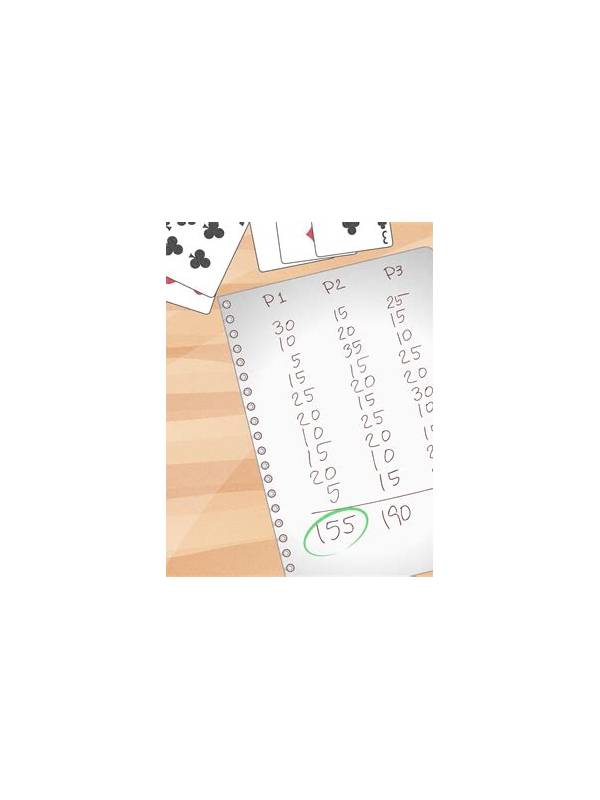
Explaining a decision after a round can improve learning, but a complete narration of every turn is rarely necessary. The best review depends on the purpose, the audience, and the time available. A casual table may need one clear observation, while a deliberate practice session can support a longer discussion.
Start by asking permission if other players are involved. They may want to relax rather than analyze. Keep the first explanation short: identify the decision, the information available, and the reason you chose it. Avoid presenting your interpretation as the only correct answer, especially when the hand contained uncertainty.
A useful explanation sounds like this: “I kept the connector because it supported two routes, but after the second miss I should have reviewed the cost.” It describes a process and an update point. An unhelpful explanation blames the draw, claims to know another player’s hidden cards, or treats the final result as proof.
For teaching, separate public facts from private reasoning. Public facts include visible discards and declared rules. Private reasoning includes what you hoped to draw and which route you preferred. Keeping them separate shows learners how evidence and judgment interact.
Limit the review to one or two lessons. If you find five possible improvements, choose the one most likely to transfer to the next hand. You can record the others for a later practice session. Too many corrections at once can make a player hesitant rather than thoughtful.
Explanations should serve the group, not establish status. Invite alternative views and acknowledge uncertainty. A calm, brief review preserves table comfort while making the decision easier to understand.
There are times when no explanation is best. If a player is upset, if the rules prohibit coaching during a match, or if discussion could reveal private information, wait until the appropriate moment. A review should never pressure someone to defend a choice immediately. Ask what they wanted to learn and adapt the conversation to that goal. Good analysis improves understanding while preserving the social agreement that makes the table comfortable for everyone.
If you are reviewing alone, use the same courtesy in your own notes. Describe the decision without insults or dramatic labels. A calm record is easier to revisit and more likely to reveal a pattern. You can write the alternative you would test next time, then close the review. Learning does not require prolonged self-criticism; it requires a clear observation and a chance to apply it.