Rummy FAQ: When Is a Random Draw Better Than a Targeted Draw?
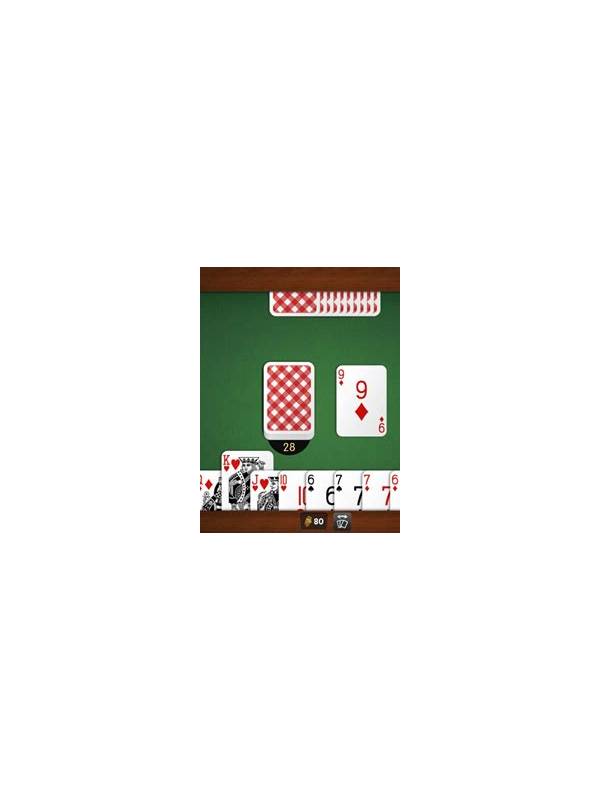
A targeted draw is attractive because it appears to move a known plan forward. But a target is useful only when the plan is realistic. When all current routes need narrow cards or have poor support, a random draw from the available stock can preserve flexibility and reveal a new direction.
Start by listing the requirements of your strongest route. If it needs one specific card and that card has little support in the public information, the route may be more hope than plan. Compare it with your second route. If both require narrow cards and neither leaves a clean remainder, continuing to target one may simply delay a necessary reset.
A random draw is more reasonable early in a hand, when several turns remain and the cost of an unhelpful card is limited. It can also be useful when your hand contains isolated cards and no route has a clear advantage. The new card may create a pair, connect a gap, or provide information about which suit deserves attention.
Targeted draws become stronger when they complete a natural group, reduce a major penalty, or satisfy a rule requirement. They are also preferable near the end when you have little time to explore. Even then, check whether another player’s public actions suggest that the target is unlikely or highly contested. A target is not guaranteed simply because it is named.
Use a practical decision test: does the target improve a route enough to justify giving up flexibility? If yes, take it with a clear reason. If no route passes the test, accept a random draw and plan an immediate reassessment. Do not treat randomness as a way to avoid thinking; treat it as a deliberate reset when the current evidence is weak.
After the hand, record whether the targeted or random choice changed your options. The result alone is not the verdict. A random draw that fails may still have been correct if every target was worse. Good decisions are judged by the information and alternatives available at the time.
Set a limit on how long you will search for a perfect target. Once the route test shows that no target is well supported, accept the reset and reassess after the draw. This prevents analysis paralysis and makes the random choice intentional rather than frustrated.
The same principle applies when a targeted draw is available from a visible pile. Taking it can reveal useful information to others and may narrow your own future choices. Weigh that information cost against the actual improvement, rather than treating a visible target as automatically superior to an unknown card.