Rummy FAQ: Can Two Jokers Create a Useful Structure?
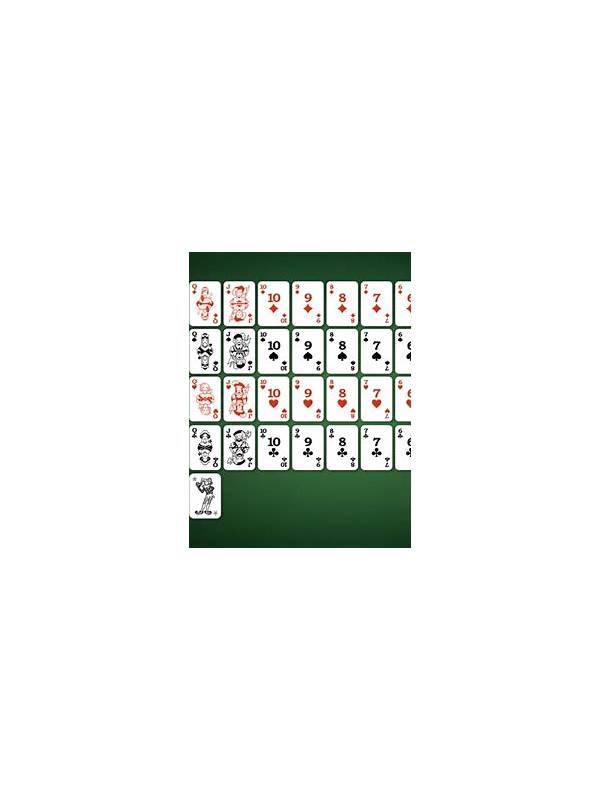
Two jokers may look like an immediate advantage, yet their value depends on the rules and on the natural cards around them. A joker can substitute for a missing card in some formats, but it does not automatically make an invalid grouping acceptable. Always confirm the table’s rules about jokers, pure sequences, and declarations before building a plan around them.
Start by assigning each joker a possible role. One might complete a natural sequence that is already close, while the other could support a set or remain a backup. If both jokers are placed into separate groups, ask whether the groups would still be meaningful if one joker had to move. This test reveals whether the hand has a foundation or is simply holding two convenient patches.
Natural cards deserve priority when a rule requires them. A pure sequence normally cannot depend on a printed or wild joker, so spending both jokers elsewhere does not solve that requirement. Even where jokers are broadly useful, use them to bridge a meaningful gap rather than to disguise a group with no clear direction. A joker should simplify a route, not make you postpone every discard.
There is also an opportunity cost. Keeping two jokers can preserve options, but it may leave ordinary high-value cards stranded. Compare the points and flexibility of holding them with the benefit of completing a group now. If a joker has one clear job and the other has several uncertain jobs, treat them differently instead of valuing them as a matched pair.
Review the plan after every new natural card. A joker that once supported a narrow run may become unnecessary when a natural connector arrives. At that point, it can be moved to a stronger role or help reduce a dangerous loose card. The best question is not “How lucky are two jokers?” but “What specific requirement does each joker solve under the current rules?” Keep the rules distinction visible in any practice notes. Some formats use printed jokers, wild jokers, or different declaration requirements, and advice from one variation may not transfer to another. If a joker is not needed immediately, protect the option without treating it as untouchable. A clear natural group may be more valuable than a flexible but unused joker. When reviewing the finished hand, ask whether each joker solved a defined problem and whether the remaining ordinary cards were easier to manage because of it. That review turns a lucky-looking hand into a lesson about allocation.