Rummy Comparison: Suited Pairs Versus Rank Pairs
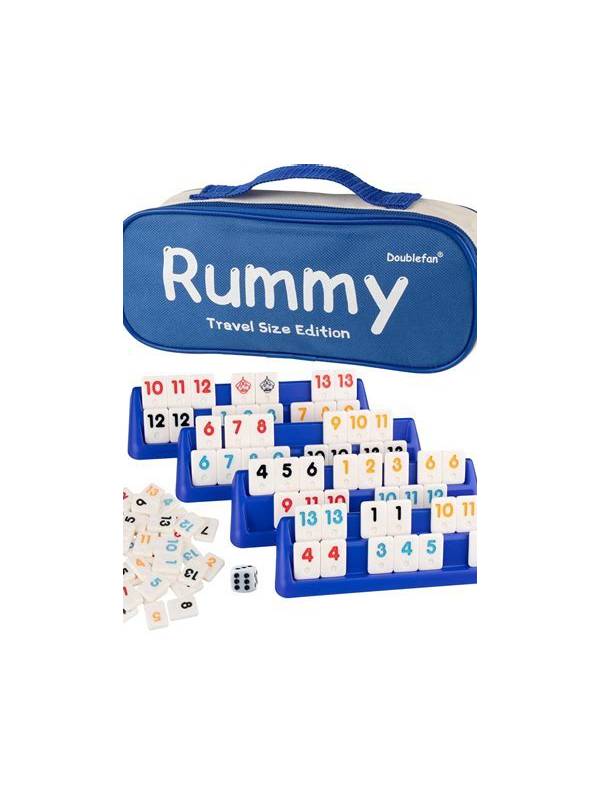
A pair can look promising for two different reasons. Two cards of the same suit may be close to a sequence, while two cards of the same rank may be close to a set. Neither type is automatically better. The right choice depends on the cards around the pair, the table evidence, and how much time remains.
Consider a suited pair such as six and seven of one suit. Its immediate strength is a sequence route: a five or eight may connect it, and another nearby card may create further options. Its weakness is that the route can become narrow if surrounding cards are unavailable. A pair of the same rank, such as two nines in different suits, has a set route. It may need one more nine, but it also avoids depending on one suit.
Start by listing actual improvements rather than theoretical ones. For the suited pair, note the nearby ranks that would create a sequence. For the rank pair, note the copies that would complete a set. Then look at the rest of the hand. A suited pair becomes more attractive when another card in the same suit gives it a second arrangement. A rank pair becomes more attractive when one of its cards also connects to a sequence route.
Penalty matters too. A pair of high cards can be costly if it remains unfinished. A low pair is safer in a scoring format, but low penalty does not make a route likely. Compare both the probability of improvement and the consequence of waiting. If one pair is cheap to keep and the other has several live connections, the answer may change as turns pass.
Avoid splitting a pair just because a single card has an attractive connection. Before releasing one card, ask whether the remaining card still has a useful role. Also check whether discarding from the pair gives information or creates risk under the table rules.
The best comparison is not “suited versus rank.” It is “which route has more useful improvements, more fallback options, and a manageable cost?” Recheck that comparison after meaningful discards. A pair that was flexible early may become a weak hold later, while a previously ordinary pair may gain value when its needed cards remain unseen.
Keep the comparison tied to the format you are playing. Scoring rules can change the cost of retaining a high pair, and declaration rules can change which route deserves priority. Before using a general rule, confirm the table requirements and then apply the same comparison to the actual cards in front of you.