Rummy Comparison: Short Practice Sessions Versus Long Study Blocks
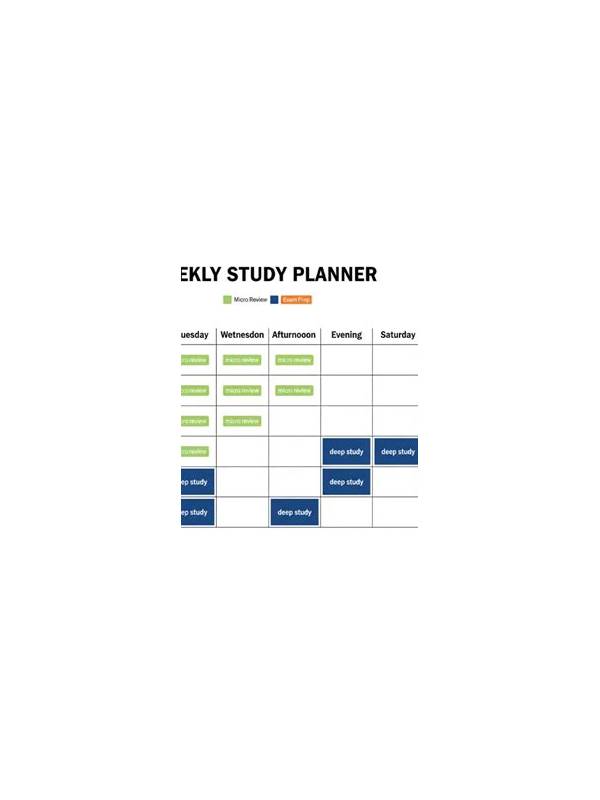
Short practice sessions and long study blocks develop different parts of rummy skill. A short session is easier to repeat and makes it simpler to focus on one habit. A long block can expose you to more varied hands, but fatigue may blur the difference between a useful lesson and a careless mistake.
Choose a short session when learning a specific technique. You might practice sorting a hand, identifying pure sequences, or applying a discard deadline. Set a clear objective before dealing and stop once you have completed several deliberate examples. Because the scope is narrow, you can compare decisions from one hand to the next.
Longer blocks are better for testing whether a habit survives changing conditions. After learning a two-route test, for example, play several formats or deal types and note when the test becomes difficult to apply. Take breaks between groups of hands. Without breaks, speed and tiredness can become the hidden subjects of the experiment.
The best measure is not the number of hands completed. Track whether you followed the target process, whether you noticed the relevant clue, and whether your explanation remained clear after the result. A session with fewer hands can be more valuable if it produces accurate observations. Winning rate alone is too noisy to judge a small practice experiment.
Use a simple weekly mix if you enjoy both formats. Begin with a short focused drill, take a break, then use a longer block for transfer practice. Finish by writing one sentence about what changed. If attention drops, end the block rather than extending it to meet an arbitrary number.
Keep money separate from skill practice. Use free or low-stakes modes where available, and never increase spending just because a training session felt unsuccessful. Practice should make decisions clearer, not add financial pressure. If the longer format causes urgency, frustration, or loss of control, return to shorter sessions or pause entirely.
In summary, short blocks build a repeatable motion; long blocks test endurance and adaptation. Both can help when their purpose is explicit, their length is realistic, and their review focuses on decisions rather than lucky outcomes.
End every block with a recovery note: what you practiced, what distracted you, and what to repeat next time. This makes the next session easy to begin. If the note shows irritation or poor concentration, treat rest as part of training rather than forcing more hands.
You can also alternate the formats across days. A focused drill when fresh, followed by a rest day, may produce better retention than one exhausting weekend block. Adjust the schedule around concentration, sleep, and other responsibilities rather than treating practice as a test of endurance.