Rummy Comparison: A Score Sheet Versus a Memory-Only Review
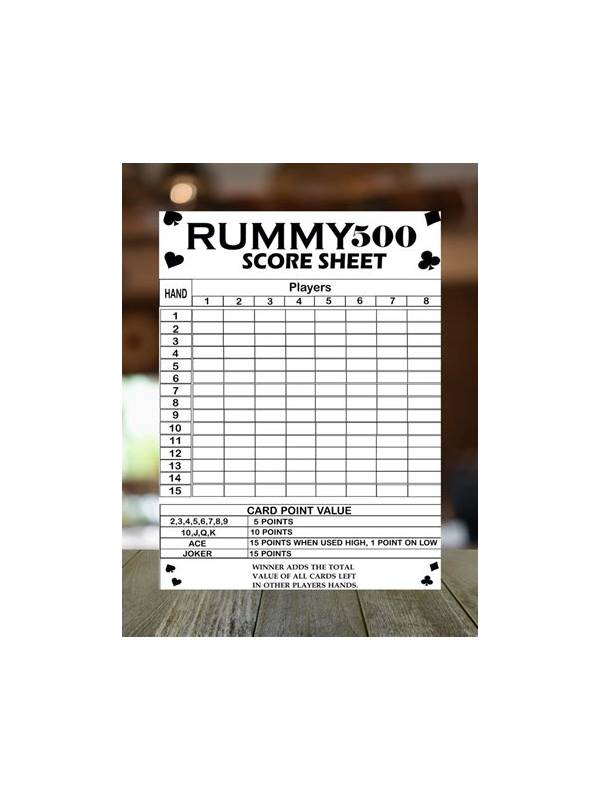
Players often review a rummy hand in their heads after it ends. Memory is convenient, but it tends to preserve the most dramatic moment: a surprising draw, a missed declaration, or an opponent’s quick win. A small score sheet captures quieter details that are easier to learn from. Both methods have a place, and the right choice depends on the purpose of the session.
Memory-only review is useful when you want a quick emotional reset. You can ask what your main plan was, where it changed, and whether the final decision followed the information available at the time. This takes little effort and works well for casual games. Its weakness is selective recall. You may remember a bad draw as the cause of the loss even when several earlier choices narrowed your options.
A score sheet provides a basic record without requiring sensitive information. Note the format, the starting idea, the first major change, and one decision you would like to examine. You can use symbols such as P for a pure sequence, G for a group, and X for a card that stayed unattached. There is no need to record usernames, account details, balances, or private chat messages.
Written notes make comparisons possible. After several sessions, you might notice that you abandon a plan too late, keep high cards while waiting for a narrow connector, or forget to check requirements before a declaration. These patterns are difficult to see from one memorable hand. A sheet also helps separate process quality from outcome. A sensible discard can still be followed by an unlucky draw.
The cost is attention. If writing makes you stop watching the table or turns practice into paperwork, simplify it. Use three lines after a hand rather than a full account of every turn. Review notes only when you are calm, and delete them if they contain information you no longer need.
Choose memory-only review for speed and low friction. Choose a score sheet when you are studying a recurring decision. Neither method predicts the next hand. Their value is helping you see your own choices clearly enough to improve them.
An effective sheet should be easy to stop using. If the notes begin to contain long narratives, duplicate data, or judgments about other players, remove those fields. Keep only information that changes your own next practice decision. This makes the record lighter, protects privacy, and keeps review focused on repeatable choices rather than memorable stories.