Rummy Comparison: Narrow Plans Versus Wide Plans
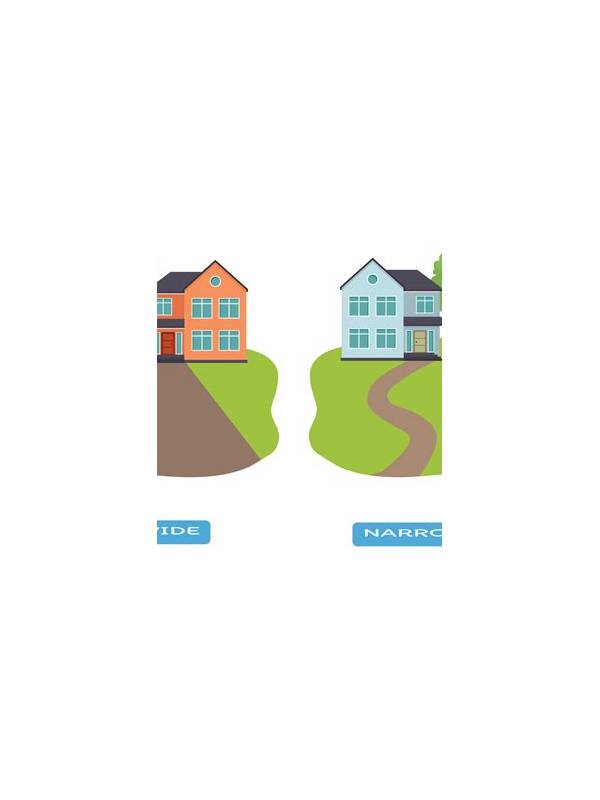
A narrow plan targets a small set of exact cards. A wide plan accepts several possible improvements and delays commitment. Neither is always superior. The useful comparison is how much progress each plan offers, how much it costs to miss, and how easily you can switch.
Narrow plans can be efficient when the hand already contains a strong structure. A four-card sequence with one obvious extension may deserve focused attention. The danger is that a player mistakes clarity for likelihood. If the route depends on one unseen card, every unproductive turn increases its cost. Set an expiry point before you begin chasing it.
Wide plans are helpful during a messy opening or when several cards support different groups. They preserve options and make a missed draw less damaging. Their danger is clutter. Holding too many possibilities can leave no card with a clear release role, and the hand may become harder to read as the round progresses. A wide plan should still have a priority order.
Compare the routes using four questions. How many useful cards improve the plan? What is the point cost of its unmatched cards? What does a miss leave behind? How many turns can you test it before changing direction? A narrow route may win on immediate progress but lose on recovery. A wide route may win on flexibility but lose if its cards compete with one another.
You can also combine the styles. Keep one primary narrow target while preserving one broad fallback. This gives the hand a destination without making the whole decision depend on a single result. Review the balance after a meaningful draw; the best route can change as visible information changes.
The comparison is most valuable in practice reviews. Mark the route you chose, the number of useful improvements it had, and what happened after a miss. Over time you will learn whether you commit too early or stay flexible too long. Good planning is not about choosing narrow or wide forever. It is about matching the route’s width to the evidence in the hand. Do not confuse a wide plan with passive holding. Give each retained card a reason and review that reason at a checkpoint. If a card has no role in the primary route or fallback, it is contributing clutter. Likewise, do not confuse a narrow plan with confidence. A focused route still needs a time limit and a replacement idea when the expected evidence does not arrive.